Study Finds Microplastics in Soil Act as a “Trojan Horse” for Pollutants Across Europe
09/20/2026 / By Iva Greene
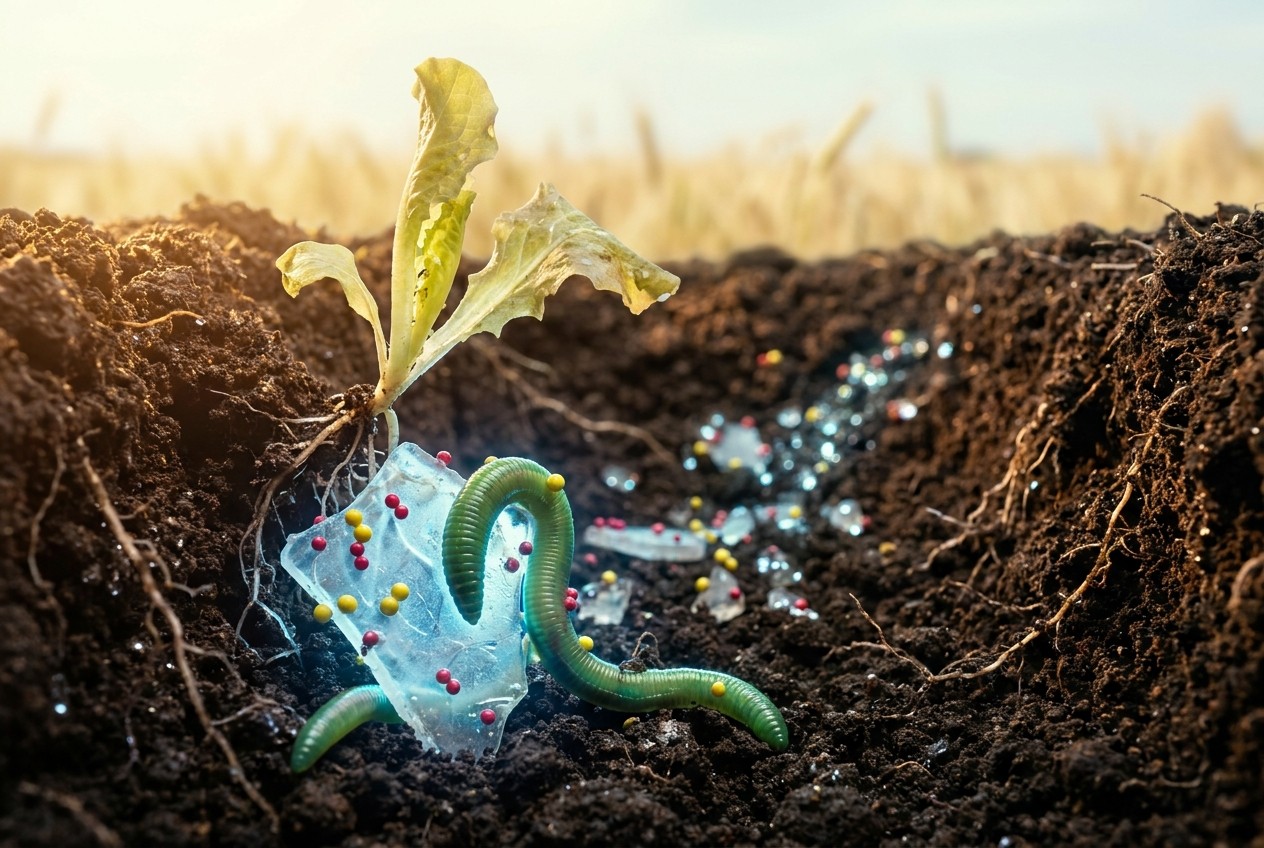
An EU-funded research project has found microplastics in the soil of all 227 agricultural fields it tested across 11 European countries, according to a report published by The Guardian. The five-year Minagris project, conducted in collaboration with the Countryside and Community Research Institute at the University of Gloucestershire, has so far produced 22 peer-reviewed studies.
The researchers said the contamination poses a global threat because healthy soils are essential for life on Earth.
The project found that microplastics act like a “Trojan Horse” delivering pollutants, pesticides, and bacteria through the soil, warned the researchers. Microplastic particles smaller than five millimeters (mm) are well-documented pollutants in ocean and freshwater habitats, and research has increasingly documented their presence in soil ecosystems.
According to reporting by Children’s Health Defense, microplastics pose a serious threat to the soil ecosystem because they leach toxic chemicals and transport hazardous pathogens [1].
In many cases, the contamination reflected current farming practices as well as historical land use, the researchers said, demonstrating that plastic pollution can persist for many years. The project also found that microplastics could interact with other agricultural stressors such as pesticides and veterinary drugs.
Contamination Linked to Farming Practices and Historical Land Use
One study conducted in Switzerland found that fields with the highest levels of tire-wear particles also had the highest levels of other toxic chemicals and metals, according to the project. The finding indicates that microplastic contamination does not occur in isolation but tends to co-occur with other pollutants in agricultural soils.
The researchers also found that microplastics can interact with other agricultural stressors such as pesticides and veterinary drugs. The project stated that environmental assessments often consider pollutants individually, but the findings show pollutants can behave differently when they occur together.
The contamination reflects both current farming practices and historical land use, according to the project. George Monbiot, author of “Regenesis: Feeding the World Without Devouring the Planet,” wrote that microplastics are sometimes deliberately spread on soil to make it more friable and that thousands of tons of plastic are added to fertilizers across Europe to prevent caking or to delay nutrient release [3].
Plastisphere Creates Hotspots for Antibiotic-Resistant Genes
Microplastics can create new microbial habitats on their surfaces, known as the plastisphere, which researchers described as a hotspot for interactions between plastics, microbes, and agrochemicals. The project found an increase in antibiotic-resistant genes within plastispheres when compared with controls, and pesticides appeared to amplify this effect further.
Edoardo Puglisi, a project partner and professor of microbiology at the Catholic University of the Sacred Heart in Piacenza, Italy, said the smaller the microplastics were, the more they tended to adsorb pollutants, microbes and DNA. Puglisi said this leads to a “Trojan horse effect that can potentially increase the diffusion of pathogens and antibiotic-resistance genes.”
The findings come amid broader concern about antibiotic resistance.
Effects on Earthworms, Plant Growth and Combined Stressors
One study found the Trojan Horse effect can impact earthworms and soil organisms by disrupting critical processes such as nutrient cycles. The project stated that earthworms play a vital role in shaping the composition of the soil microbiome as well as the ecological functions of soils [11].
A study on lettuce found that higher concentrations of microplastics reduced leaf area, chlorophyll content, photosynthetic efficiency, and plant biomass. When drought conditions were added, the researchers said the effects became even more pronounced, with plants performing less well than under either stress alone.
The project stated that environmental assessments often consider pollutants individually, but the findings show pollutants can behave differently when they occur together. The researchers said policy needs to recognize plastic contamination as part of wider soil degradation and pollution [11].
Biodegradable Plastics Not Automatically Safer, Researchers Say
In an effort to reduce plastic pollution, there has been an increase in the use of biodegradable plastics. However, the project found that biodegradable plastics were not automatically safer and could still degrade into microplastics, potentially causing ecological damage.
The production of plastics has grown from 260 million metric tons in 2008 to approximately 359 million metric tons, a figure expected to double within 20 years and possibly quadruple by 2050, according to research published in Bioremediation Science [9].
Dr. Esperanza Huerta Lwanga, a research associate in soil physics at Wageningen University in the Netherlands, said once these plastics fragment into the ground, they are practically impossible to remove, acting as vectors for agrochemicals while altering critical soil ecosystems.
The project’s findings indicate that policy needs to recognize plastic contamination as part of a wider picture of soil degradation and pollution [11].
References
- James Lofty, Pablo Ouro and Valentine Muhawenimana. “Trillions of Microplastic Particles Spread on Land Used to Grow Food”. ChildrensHealthDefense.org.
- Margaret Robertson. “Sustainability Principles and Practice”.
- George Monbiot. “Regenesis: Feeding the World Without Devouring the Planet”.
- “By 2050, 10 Million People a Year Will Die From Antibiotic-Resistant Illnesses — Unless We End Pesticide Use”. ChildrensHealthDefense.org.
- Srivastav Arun Lal, Rani Lata, Kaushal Jyotsna, Pham Tien Duc. “Metal Organic Frameworks for Wastewater Contaminant Removal”.
- Jesse Frost. “The Living Soil Handbook”.
- Willow Tohi. “Microplastics: The silent saboteurs of global food security and human health”. NaturalNews.com. March 12, 2025.
- “Emerging Contaminants Microplastic—An Emerging Contaminant of Potential Concern?”. Integrated Environmental Assessment and Management 3 (4) 559-566. 2007.
- Amitava Rakshit. “Bioremediation Science”.
- “Plastic Is Everywhere — Including Inside Your Body”. ChildrensHealthDefense.org.
- “Microplastics in soil pose global threat by acting like ‘Trojan horse’ to deliver toxins”. TheGuardian.com. September 16, 2026.
Submit a correction >>
Tagged Under:
agriculture, antibiotic resistance, antibiotic-resistant genes, bacteria, Dangerous, discoveries, Ecology, environment, farming, global threats, microplastics, plastics, plastisphere, poison, Public Health, real investigations, research, soil contamination, soil health, toxic chemicals, toxic ingredients, toxins
This article may contain statements that reflect the opinion of the author
RECENT NEWS & ARTICLES