
137 Gut bacteria species linked to sleep quality in landmark study of nearly 7,000 adults
09/22/2026 / By Willow Tohi
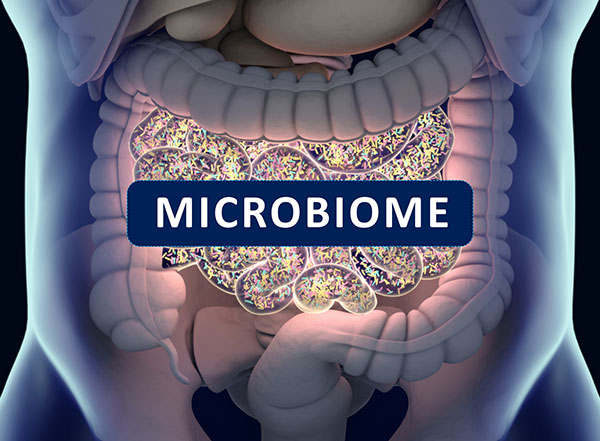
- Researchers analyzed gut bacteria from 6,941 adults and identified 137 bacterial species tied to sleep quality, with more than one-third validated in a separate group.
- Lower gut bacteria diversity was associated with poorer sleep quality, later bedtimes and greater mismatch between weekday and weekend sleep schedules.
- Diet quality emerged as a key factor connecting gut health to sleep, with healthier eating linked to better sleep and earlier natural bedtimes.
- Scientists discovered bacterial compounds called muramyl peptides, produced by gut microbes, can cross the blood-brain barrier and trigger sleep-inducing responses.
- The study suggests microbiome-targeted interventions, including probiotics and dietary changes, could potentially improve sleep health.
The gut-sleep discovery that changes everything
Inadequate sleep can significantly impact your health, including your gut health. Studies have shown that sleep deprivation negatively affects microbiome health. A study published in Molecular Metabolism was the first to investigate the connection between gut microbiota health and recurrent sleep deprivation. After two nights of partial sleep deprivation, results showed a notable decrease in beneficial bacteria types found in the microbiota, as well as decreased insulin sensitivity. Additionally, researchers observed the development of bacterial compositions linked to obesity and Type 2 diabetes.
Strive for at least seven to eight hours of uninterrupted sleep per night.
What the research actually revealed
The study, published in conjunction with findings in Molecular Metabolism and other journals, represents one of the largest investigations into how gut bacteria relate to human sleep patterns.
Researchers compared bacterial composition against validated sleep questionnaires. The results showed that both the overall diversity of gut bacteria and the specific mix of species present tracked with sleep quality. This held true even after researchers accounted for existing health conditions, physical activity, alcohol use and sleep medication.
Importantly, the study found that people eating higher-quality diets—measured by a standard healthy eating index—reported better sleep quality, an earlier natural bedtime preference, and less mismatch between their weekday and weekend sleep schedules. This suggests diet may serve as a bridge between gut health and sleep, with certain bacteria mediating the effect of foods like coffee on sleep timing.
The forgotten factor in sleep science
For decades, sleep research focused on brain circuits, hormones like melatonin, and environmental factors such as light exposure. The possibility that bacteria could influence sleep seemed far-fetched—until discoveries dating back to the 1970s began to change that view.
Scientists at that time identified a compound called Factor S, isolated from sleep-deprived animal brains and human urine. It turned out to be a muramyl peptide—a component of bacterial cell walls. Notably, the human body cannot produce muramyl peptides. Their presence in the brain, and their ability to induce sleep, could only originate from bacteria.
More recent research has shown that these microbial peptides enter circulation from the gut, cross the blood-brain barrier and bind to receptors in the brain that trigger sleep-associated responses. The levels of these peptides fluctuate throughout the day and across different brain regions, suggesting the existence of a regulatory system that responds to bacterial products.
How the gut-brain axis controls sleep
The gut-brain axis serves as a communication highway between trillions of bacteria living in the digestive tract and the central nervous system. This connection operates through multiple channels.
Gut bacteria produce a significant share of the body’s serotonin, a neurotransmitter that influences mood and sleep regulation. Specific beneficial bacteria, including Lactobacillus and Bifidobacterium species, enhance sleep through the production of serotonin and gamma-aminobutyric acid, a calming neurotransmitter.
When gut bacteria break down dietary fiber, they produce short-chain fatty acids that help regulate inflammation throughout the body. Research now suggests that sleep may be affected by these same gut processes.
The immune system also plays a role. Muramyl peptides from gut bacteria spur the release of regulatory cytokines, immune molecules involved in sleep regulation. This connection explains why infection causes fatigue but also appears to underlie daily sleep regulation through the gut-brain axis.
Practical steps for better sleep through gut health
Prioritize fiber. Organic vegetables, legumes and whole grains provide fuel for beneficial gut bacteria, including the types associated with healthier sleep patterns. Rather than searching for one specific food, focus on adequate fiber intake throughout the day.
Avoid alcohol before bed. Research links alcohol with a later natural sleep schedule, which can disrupt both gut rhythms and sleep quality.
Maintain consistent meal times. Eating at roughly the same times each day supports the daily rhythms that influence both gut bacteria and sleep.
Consider probiotic foods. Studies have shown that certain probiotic strains, including Bifidobacterium animalis subsp. lactis, may improve sleep quality. One study with college students found that those taking a probiotic Bifidobacterium strain during eight stressful weeks leading up to exams reported better sleep than those receiving a placebo.
A new chapter in sleep medicine
No single study can prove that changing gut bacteria will solve a sleep problem. Sleep remains complicated, influenced by stress, environment, genetics and numerous other factors. Microbes are not the sole solution to poor sleep but represent one of many internal and external influences on sleep quality.
What this research does establish is that the connection between sleep and gut health is real, measurable and largely overlooked by standard sleep advice. The identification of 137 bacterial species tied to sleep measures, with many validated across independent groups, provides a strong foundation for future investigation.
Along with diet and exercise, sleep forms one part of the wellness trifecta essential for overall health. Understanding microbiome-sleep interactions may eventually lead to targeted therapies for sleep disorders, using probiotics, prebiotics, or dietary interventions to improve both gut health and sleep quality. For now, the message is clear: what happens in the gut does not stay in the gut, and those trillions of bacteria may have more to do with how well someone sleeps than previously understood.
Sources for this article include:
Submit a correction >>
Tagged Under:
discoveries, gut bacteria, gut health, gut microbiome, health science, men's health, Mind, mind body science, muramyl peptides, natural health, research, sleep, sleep science, women's health
This article may contain statements that reflect the opinion of the author