
Turmeric and Honey for Weight Loss: Studies Show Limited Evidence
09/22/2026 / By Coco Somers
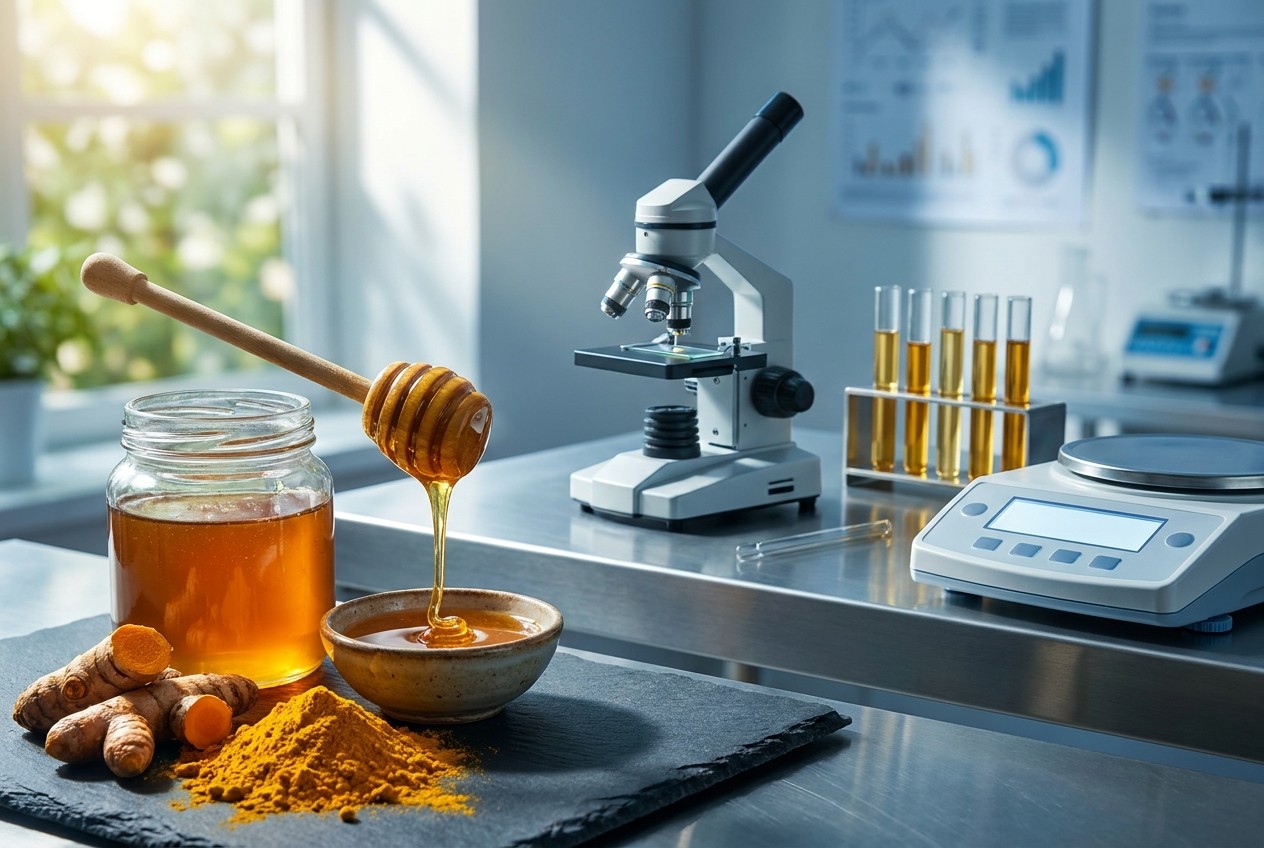
Turmeric and honey contain compounds that may affect metabolism and body weight, according to research on the two ingredients. However, no human studies have shown that the combination causes weight loss, researchers said.
Turmeric’s active compound, curcumin, has been examined in clinical trials for effects on body mass index, body weight and waist circumference. Honey has been studied for its effects on blood sugar and cholesterol, two markers linked to weight management. Neither line of research has produced evidence that the two foods, used together, produce weight loss, according to the findings.
Health officials recommend moderation and consultation with a doctor before using supplements, particularly at high doses or alongside blood-thinning medication.
Turmeric Evidence Shows Modest Weight Changes
A 2023 review of curcumin supplementation found decreases in BMI, body weight and waist circumference, according to the study. The decrease in body weight was less than 1 kilogram over periods ranging from 4 to 18 weeks, and the study’s methods had potential limitations.
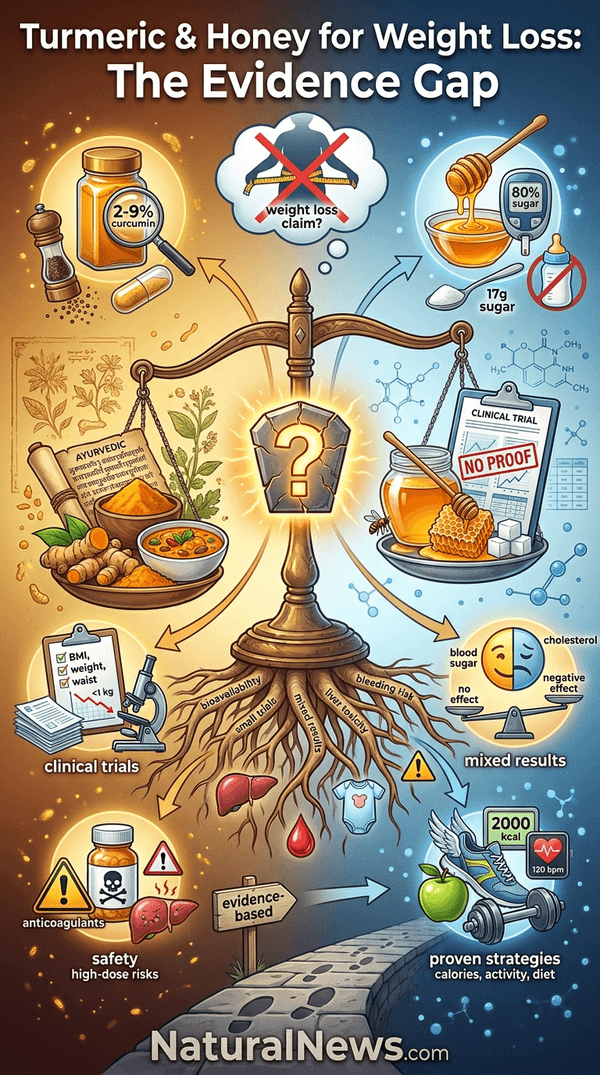
Turmeric contains only 2% to 9% curcumin, researchers said. Most studies used curcumin supplements rather than turmeric as a food, meaning the doses tested were far higher than what a person would obtain by cooking with the spice. Turmeric’s curcumin also has poor bioavailability, meaning the body absorbs only a small amount of the compound, according to research published by NaturalNews.com [1].
Supplements formulated for greater bioavailability led to larger decreases in the measured outcomes, according to the 2023 study. The findings indicate that any effect depends heavily on the form and dose of curcumin used, not on turmeric consumed as a spice.
Honey May Affect Blood Sugar and Cholesterol, Studies Show Mixed Results
Honey may improve blood sugar and cholesterol, changes that could aid weight management, according to some studies. Other studies show no effect or negative effects on metabolic health, possibly because of differences in dosage and honey’s high sugar content.
Honey is about 80 percent sugar and contains few vitamins or minerals. Its sugar profile means that regular, large servings add calories without adding meaningful micronutrients.
The mixed results leave honey’s role in weight management unsettled. Some research suggests that polyphenols in foods such as honey and turmeric may support metabolic health, according to a review published in the Journal of Food Composition and Analysis [2]. Any such benefit would depend on the amount consumed and the overall diet, the researchers stated.
No Recommended Dosage for Turmeric and Honey Combination
There is no evidence that a turmeric and honey combination helps with weight loss, and no recommended usage or dose exists for such a combination, officials said. Clinical research has instead tested curcumin on its own, at defined doses.
Curcumin doses of 4,000 to 8,000 milligrams daily are likely safe and most trials used 500 to 3,000 milligrams. Small efficacy trials suggest that ingested doses up to 2,000 milligrams per day for 18 weeks lack adverse effects, according to a curcumin clinical development plan published in the Journal of Cellular Biochemistry [3]. Some highly bioavailable curcumin products are effective at 80 milligrams daily, researchers said.
Added sugar limits are 15 grams for women and 36 grams for men, according to dietary guidelines. Given that honey is about 80% sugar, a typical serving can consume a substantial share of that daily allowance, nutrition researchers said. Honey’s high sugar content also means that people monitoring blood sugar should account for it.
Risks Include Liver Toxicity, Digestive Issues, and Bleeding
A 2023 study reported increased liver toxicity from high-dose curcumin use. The finding adds to questions about the safety of concentrated curcumin products taken over long periods.
Turmeric can cause digestive side effects including abdominal pain, constipation, nausea, vomiting, diarrhea, headaches and rashes. Turmeric may also increase bleeding risk in people taking blood thinners such as warfarin, according to researchers. Patients on anticoagulant therapy should consult a physician before using turmeric or curcumin supplements.
Honey is generally safe for most adults, except those with allergies. People with pollen allergies or known sensitivity to bee products should avoid honey, and honey should not be given to infants under one year of age, according to public health guidance.
Other Health Uses Under Study, but More Evidence Needed
Turmeric supplements may lower inflammatory markers and help with conditions including oral mucositis, rheumatoid arthritis and ulcerative colitis. Curcumin, the active compound in turmeric, has been studied as an anti-inflammatory agent used in traditional medicine, according to research in the Journal of the Science of Food and Agriculture [4]. Honey may reduce pain after cesarean sections and lower the severity of oral mucositis in cancer patients, researchers said.
The list of studied uses continues to grow. A study published in the Chinese Journal of Natural Medicines reported that curcumin can prevent and reverse liver fibrosis [5]. Researchers from the Sri Ramaswamy Memorial Institute of Science and Technology showed that curcumin works against colon cancer by inducing apoptosis and cell cycle arrest [6]. Turmeric has drawn attention for its anti-inflammatory properties and its contributions to overall wellness [7].
More evidence is needed on how types, dosages and usage patterns affect the body. The limited data available on curcumin’s safety profile and absorption mean that patients and physicians should treat claims with caution, researchers said.
References
- NaturalNews.com. “Superfood powerhouses: The health benefits of combining black pepper and turmeric, recipes included”. NaturalNews.com. January 21, 2022.
- Elsevier. “The role of phytochemicals in inhibition of cancer and inflammation: New directions and perspectives”. Journal of Food Composition and Analysis 19. 2006.
- “Curcumin clinical development plan”. Journal of Cellular Biochemistry 26S:72-85. 1996.
- “Benevolent effects of dietary polyphenols using lung inflammation as a model”. Journal of the Science of Food and Agriculture 86:2499-2502. 2006.
- NaturalNews.com. “The all-around superfood: Curcumin in turmeric prevents liver fibrosis”. NaturalNews.com. October 23, 2018.
- NaturalNews.com. “Researchers reveal how the common curry spice turmeric kills colon cancer cells”. NaturalNews.com. February 27, 2019.
- Mike Adams. “Brighteon Broadcast News – NATURAL MEDICINES”. Brighteon.com. November 13, 2025.
- Sara Altshul. “Kitchen cabinet cures: 1001 homemade remedies for your health, easy, safe, natural, effective”.
Explainer Infographic
Submit a correction >>
Tagged Under:
blood sugar, cholesterol, digestion, fight obesity, food, food cures, food science, grocery, health science, honey, ingredients, liver health, longevity, metabolic health, natural cures, natural health, nutrients, prevention, remedies, turmeric, weight
This article may contain statements that reflect the opinion of the author