Morning routines can tame blood sugar spikes, new guidance shows
08/06/2026 / By Willow Tohi
- Morning blood sugar spikes are normal, but simple habits like drinking water first, eating protein-rich breakfasts and delaying caffeine can significantly improve glucose control.
- A 10-minute post-breakfast walk effectively lowers blood sugar by helping muscles use glucose for energy.
- Dehydration concentrates blood sugar; rehydrating upon waking helps kidneys flush excess glucose.
- High-protein breakfasts promote insulin sensitivity and prevent the rapid spikes caused by refined carbohydrates.
- Quality sleep and stress management are essential, as cortisol and disrupted rest worsen insulin resistance.
Why morning routines matter
For millions of Americans living with diabetes, the morning hours present a unique challenge. Blood sugar naturally rises at dawn as the body releases hormones like cortisol to promote wakefulness. Yet new guidance from health professionals reveals that simple, sustainable habits can transform these morning spikes into manageable glucose levels. Registered nurse Carrie Madormo’s updated recommendations, published August 2026 and medically reviewed by registered dietitian Karina Tolentino, outline seven evidence-based practices that can be implemented immediately. These findings arrive as diabetes rates continue climbing nationwide, emphasizing the importance of accessible, non-pharmaceutical interventions.
Protein-first breakfasts stabilize glucose
The composition of the morning meal matters significantly. High-protein breakfast options like Greek yogurt with berries, scrambled eggs with vegetables, or cottage cheese with fruit promote insulin sensitivity, ensuring cells effectively utilize available insulin. Protein slows digestion, allowing blood sugar to rise steadily rather than spike sharply. This contrasts sharply with simple carbohydrate breakfasts such as white bread or sugary cereals, which cause rapid glucose surges requiring substantial insulin responses.
Fiber deserves equal attention. Though many diabetics focus on limiting carbohydrates, fiber represents a complex carbohydrate that actively supports healthy blood sugar levels. Soluble fiber sources including oatmeal, whole-grain toast, beans and seeds slow carbohydrate digestion and sugar absorption, preventing post-meal spikes while improving overall insulin sensitivity.
Hydration and movement deliver immediate benefits
Dehydration constitutes a known risk factor for hyperglycemia. When the body lacks adequate water, blood becomes more concentrated, naturally elevating glucose readings. Starting the day with water rather than coffee addresses this issue directly. Proper hydration supports kidney function, helping flush excess sugar through urine while diluting blood glucose concentration.
Physical activity offers another powerful morning intervention. Research published in Sports Medicine demonstrated that a 10-minute walk after meals effectively lowers blood sugar levels. Exercise prompts muscles to utilize glucose for energy, reducing circulating blood sugar while improving insulin sensitivity. The American Diabetes Association recommends 150 minutes of moderate aerobic activity weekly, though even light activities like housework and gardening provide measurable benefits.
Caffeine timing and stress management influence results
Coffee presents a nuanced consideration. Caffeinated beverages trigger the body’s stress response, increasing blood sugar levels. Delaying the morning cup until after hydration and breakfast helps mitigate this effect. Health experts recommend limiting caffeine intake to less than 400 milligrams daily, approximately two to three cups. Sweetened coffee drinks should be minimized, as added sugars spike glucose regardless of timing.
Stress management plays an equally critical role. Chronic stress stimulates cortisol and glucagon production, elevating blood glucose while simultaneously reducing insulin levels. Morning practices like deep breathing, gratitude journaling, or short outdoor walks help regulate these hormonal responses. The Mayo Clinic notes that stress hormones can significantly impair diabetes management, making relaxation techniques essential components of comprehensive care.
Sleep quality and evening habits support morning glucose control
Adequate sleep remains foundational to blood sugar regulation. Disrupted rest worsens insulin resistance, prompting the body to produce excessive insulin. Most adults require seven to nine hours nightly. Sleep hygiene recommendations include keeping bedrooms cool and dark, avoiding screens before bedtime and limiting afternoon caffeine consumption.
Evening habits also influence morning glucose readings. Consuming lighter dinners, eating earlier and taking gentle post-dinner walks help stabilize overnight blood sugar. These practices allow digestion to complete before sleep, reducing dawn phenomenon effects.
Prevention through consistent monitoring
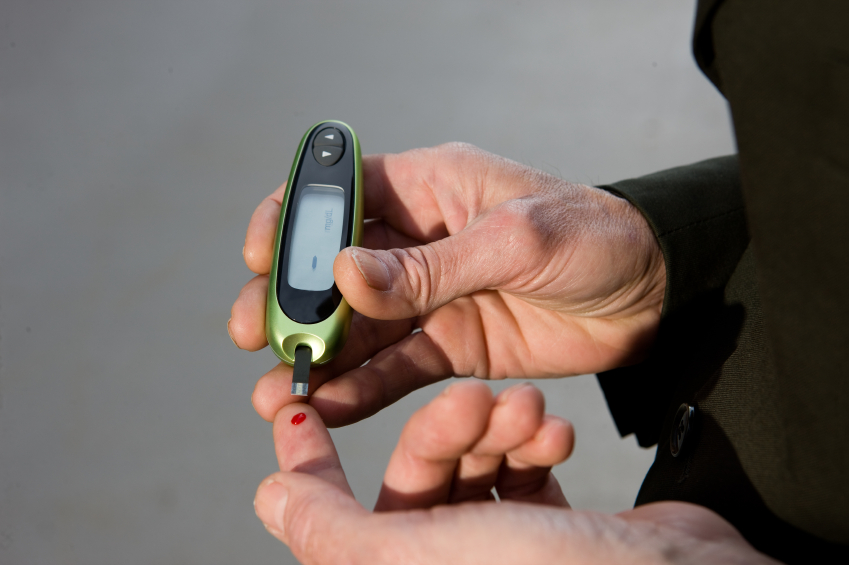
The most effective strategy involves preventing high blood sugar entirely. Regular glucose monitoring helps individuals detect hyperglycemia early, before symptoms emerge. The American Diabetes Association recommends fasting targets between 80 and 130 mg/dL for most adults with diabetes, with post-meal readings below 180 mg/dL. Hemoglobin A1C tests provide three-month averages, with targets below 7% for most non-pregnant adults.
Comprehensive approach yields sustainable results
Diabetes management requires awareness of multiple daily factors affecting blood sugar. Beyond morning habits, individuals should understand how medications, illness, alcohol and hormonal changes influence glucose levels. The Mayo Clinic emphasizes that carbohydrate counting, the plate method and portion control offer practical frameworks for meal planning.
Regular consultation with healthcare providers ensures treatment plans remain appropriate. For those experiencing consistently elevated morning readings despite lifestyle modifications, professional guidance may identify underlying issues requiring medication adjustment. The path to stable blood sugar runs through consistent, sustainable choices rather than drastic measures.
Sources for this article include:
Submit a correction >>
Tagged Under:
alternative medicine, blood sugar, diabetes cure, diabetes science, health science, men's health, morning habits, natural cures, natural health, natural medicine, natural remedies, Naturopathy, remedies, tips, women's health
This article may contain statements that reflect the opinion of the author
RECENT NEWS & ARTICLES