Acerola cherry: The vitamin C superfruit with powerful health benefits
08/08/2026 / By Kevin Hughes
- Acerola cherries contain 1,680 mg of vitamin C per 100 grams—50-100 times more than oranges or lemons—alongside flavonoids, anthocyanins, and polyphenols for enhanced absorption and immune support.
- Acerola cherries support immunity by increasing white blood cell production, improve skin health through collagen synthesis, aid heart health by lowering LDL cholesterol and blood pressure, enhance iron absorption and promotes gut health with fiber and digestive enzymes.
- Preliminary research suggests flavonoids and carotenoids in acerola may inhibit cancer cell growth, particularly in stomach and esophageal cancers.
- Due to its short shelf life, acerola is commonly consumed as powder, juice, capsules or supplements—ideal for smoothies, juices, skincare serums, jams, and desserts.
- Excessive consumption may cause digestive discomfort, kidney stones (due to oxalates), or allergic reactions. Recommended doses: ½–1 cup fresh fruit, ¼–½ tsp powder or 100–200 ml juice daily. Consult a healthcare provider if taking medications or managing kidney issues.
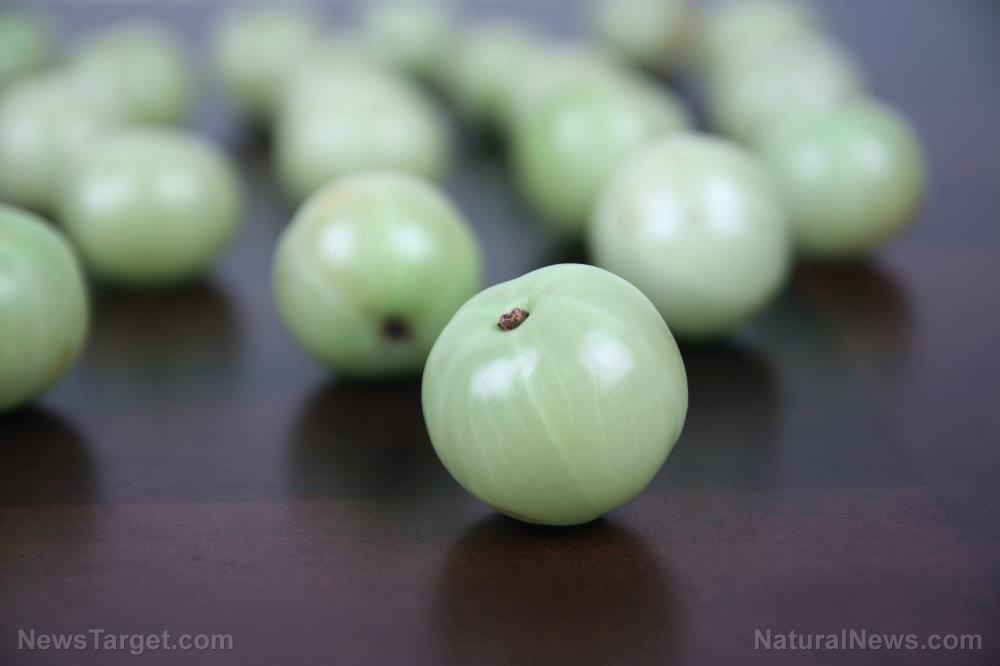
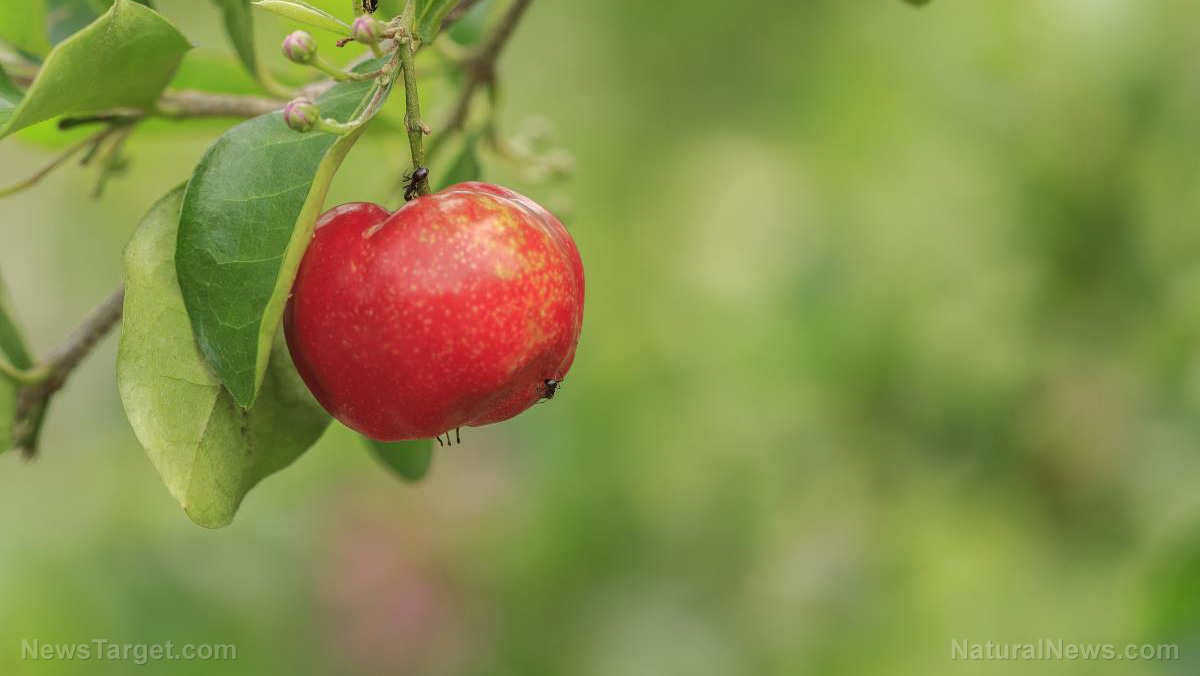
If you’re searching for a natural way to boost immunity, improve skin health and enhance overall wellness, look no further than the acerola cherry (Malpighia emarginata). This tiny tropical fruit packs an astonishing 1,680 milligrams (mg) of vitamin C per 100 grams, dwarfing the vitamin content of oranges and lemons by 50 to 100 times.
Native to the Caribbean and Central and South America, the acerola cherry – also known as the Barbados cherry or West Indian cherry – has been traditionally used for centuries to treat ailments ranging from colds to liver disorders. But according to BrightU.AI‘s Enoch, it is not a true cherry despite its common name as it belongs to the Malpighiaceae family.
Today, modern research confirms its extraordinary health benefits, making it a rising star in the world of superfoods. Unlike synthetic vitamin C supplements, acerola cherries deliver bioavailable nutrients alongside flavonoids, anthocyanins and polyphenols, which work synergistically to enhance absorption and efficacy. A 100-gram serving of acerola cherries contains the following nutrients:
- Vitamin C: 1,680 mg (1,800% Daily Value)
- Vitamin A: 767 IU (supports vision and skin health)
- Potassium: 146 mg (regulates blood pressure)
- Magnesium: 18 mg (supports muscle and nerve function)
- Fiber: 1.1 g (aids digestion and gut health)
Studies indicate that organically grown acerola cherries contain the highest concentrations of antioxidants, making them superior to conventionally grown alternatives. Here are some of the health benefits of acerola cherries, backed by science.
Immune system powerhouse
Acerola’s exceptionally high vitamin C content strengthens immunity by enhancing white blood cell production, reducing infection duration, and accelerating recovery from colds and flu. Research suggests that regular consumption may shorten illness duration and improve resistance to respiratory infections.
Anti-aging and skin health
Vitamin C is essential for collagen synthesis, which maintains skin elasticity and reduces wrinkles. Acerola’s antioxidants also protect against UV damage and pollution, preventing premature aging. Some skincare brands now incorporate acerola extracts for their brightening and rejuvenating effects.
Heart health and blood pressure support
The fruit’s polyphenols and potassium help relax blood vessels, improving circulation and reducing hypertension risk. Studies indicate that acerola may lower LDL (“bad”) cholesterol and prevent atherosclerosis.
Enhanced iron absorption
For those with iron-deficiency anemia, pairing acerola with iron-rich plant foods (like spinach or lentils) doubles iron absorption, making it invaluable for vegetarians and vegans.
Digestive and gut health
Acerola’s fiber content promotes healthy digestion, prevents constipation, and supports beneficial gut bacteria, which may reduce inflammation and disease risk.
Potential anticancer properties
While more research is needed, preliminary studies suggest that acerola’s flavonoids and carotenoids may inhibit cancer cell growth, particularly in stomach and esophageal cancers.
How to enjoy acerola
Due to its short shelf life, fresh acerola cherries are rare outside tropical regions. However, they are widely available in powder, juice, capsule and supplement forms. Some delicious ways to incorporate acerola cherries include:
- Smoothies: Blend acerola powder with banana, spinach and almond milk.
- Juices: Mix fresh or frozen acerola with water and honey.
- Skincare: Apply acerola-infused serums for glowing skin.
- Jams and Desserts: Use in homemade jams, salsas, or baked goods.
Recommended daily intake:
- Fresh fruit: ½ to 1 cup
- Powder: ¼ to ½ teaspoon
- Juice: 100–200 ml
While generally safe, excessive intake may cause:
- Digestive discomfort (diarrhea, nausea)
- Kidney stones (due to high oxalate content)
- Allergic reactions (rare but possible in sensitive individuals)
Acerola cherries are a nutritional powerhouse, offering unparalleled vitamin C benefits alongside immune-boosting, anti-aging and heart-protective properties. Whether consumed fresh, juiced, or as a supplement, this tropical superfruit deserves a place in a health-conscious diet.
As always, consult a healthcare provider before making significant dietary changes—especially if you have kidney issues or take medications that may interact with high vitamin C doses.
Watch this video about Vitamin C benefits and uses for health.
This video is from the All About Herbs channel on Brighteon.com.
Sources include:
Submit a correction >>
Tagged Under:
acerola cherry, alternative medicine, anthocyanins, antioxidants, flavonoids, food cures, food is medicine, food science, grocery cures, health science, natural cures, natural health, natural medicine, Naturopathy, organics, polyphenols, superfruits, vitamin C
This article may contain statements that reflect the opinion of the author
RECENT NEWS & ARTICLES