Ancient grain sorghum shows potential against Alzheimer’s in early cell research
07/27/2026 / By Cassie B.
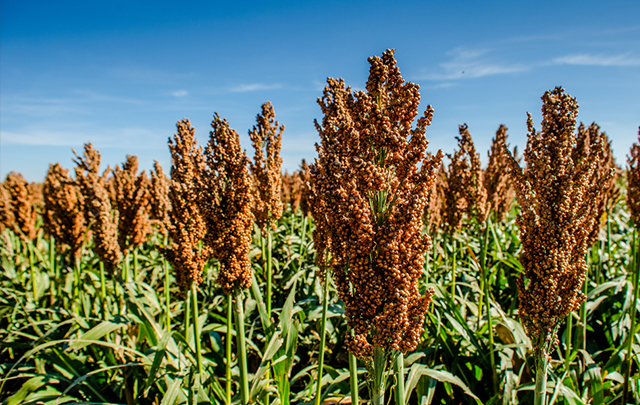
- Sorghum polyphenols reduced toxic amyloid-beta buildup in brain cells by up to 76 percent in a laboratory study.
- Black sorghum showed the strongest protective effect on cultured human brain cells.
- Treated cells had over 70 percent better survival and 80 percent more active mitochondria.
- The findings are far from human use, requiring animal studies before any health claims.
- Sorghum offers a low-cost, side-effect-free natural compound worth further Alzheimer’s research.
A new laboratory study has found that polyphenols extracted from the ancient grain sorghum can reduce the buildup of toxic amyloid-beta proteins in cultured brain cells by as much as 76%. The findings, published this month in the journal Nutrients, offer an intriguing glimpse into how a humble, drought-resistant grain already known for its nutritional profile might one day support brain health through diet rather than pharmaceuticals — although the researchers caution the results are far from ready for human use.
How researchers tested the grain’s effect on brain cells
Scientists extracted polyphenols from three varieties of sorghum — black, red-brown and red — and exposed cultured human brain cells to amyloid-beta, the sticky protein long implicated in Alzheimer’s plaque formation. The sorghum extracts reduced amyloid-beta aggregation by 67% to 76%, depending on the variety, with black sorghum showing the strongest effect.
The benefits didn’t stop there. Treated cells showed more than a 70% improvement in survival rates, and their mitochondria — the cell’s energy-producing structures — became roughly 80% more active. Oxidative stress levels dropped sharply, and the cells activated protective genes while dialing down inflammation-linked pathways, including one tied to iron-driven cell death.
The findings suggest the extracts strengthened the cells’ defenses on several fronts at once, rather than targeting just one harmful protein — a notable finding, since Alzheimer’s is now understood to involve chronic inflammation, oxidative stress, and mitochondrial damage, not just amyloid plaques.
Why an obscure grain is drawing scientific interest
Sorghum has been a staple food across Africa and Asia for centuries despite remaining largely unfamiliar in American kitchens. It’s gluten-free, fiber-rich, and loaded with the same class of plant compounds found in berries, olive oil, tea and dark chocolate — nutrients researchers have long connected to healthier brain aging.
Beyond its nutritional profile, sorghum has a practical edge: it uses 36% less water than other grains, and more than 90% of U.S. sorghum fields rely on rainfall alone, according to the United Sorghum Checkoff Program.
Why the findings don’t yet translate to your dinner plate
Researchers caution against reading too much into the results just yet. The study tested concentrated polyphenol extracts applied directly to cells in a dish — not sorghum eaten as food, and not a study in living humans. Digesting a bowl of cooked sorghum and absorbing its compounds across the blood-brain barrier is a far more complex process than anything tested here. The study’s authors called the work “an important early step” requiring “in vivo studies… to establish efficacy” before any health claims can be made.
A natural alternative worth watching in Alzheimer’s care
Current Alzheimer’s drugs, such as donepezil and memantine, only ease symptoms temporarily and do nothing to slow the disease itself — a reminder of how limited pharmaceutical options remain despite decades of investment. That gap is exactly why findings like this one deserve attention: they point toward inexpensive, naturally occurring compounds, not a patented drug, as a possible tool for protecting the aging brain.
Nobody is suggesting sorghum replace medical care or that eating it alone will prevent Alzheimer’s. But as research increasingly shows food-based compounds acting on multiple fronts, at essentially no cost and no side-effect profile, it’s a good argument for prioritizing what’s on your plate before reaching for the next expensive intervention. If further studies bear this out, it also strengthens the case for something the industry has long undervalued: prevention through diet, not treatment through prescription.
Sources for this article include:
Submit a correction >>
Tagged Under:
Alzheimer's, Brain, health science, mental, mind body science, natural health, polyphenols, research, sorghum
This article may contain statements that reflect the opinion of the author
RECENT NEWS & ARTICLES