Bright Daytime Light Exposure Linked to Earlier Bedtimes and Deeper Sleep, Study Finds
07/30/2026 / By Coco Somers
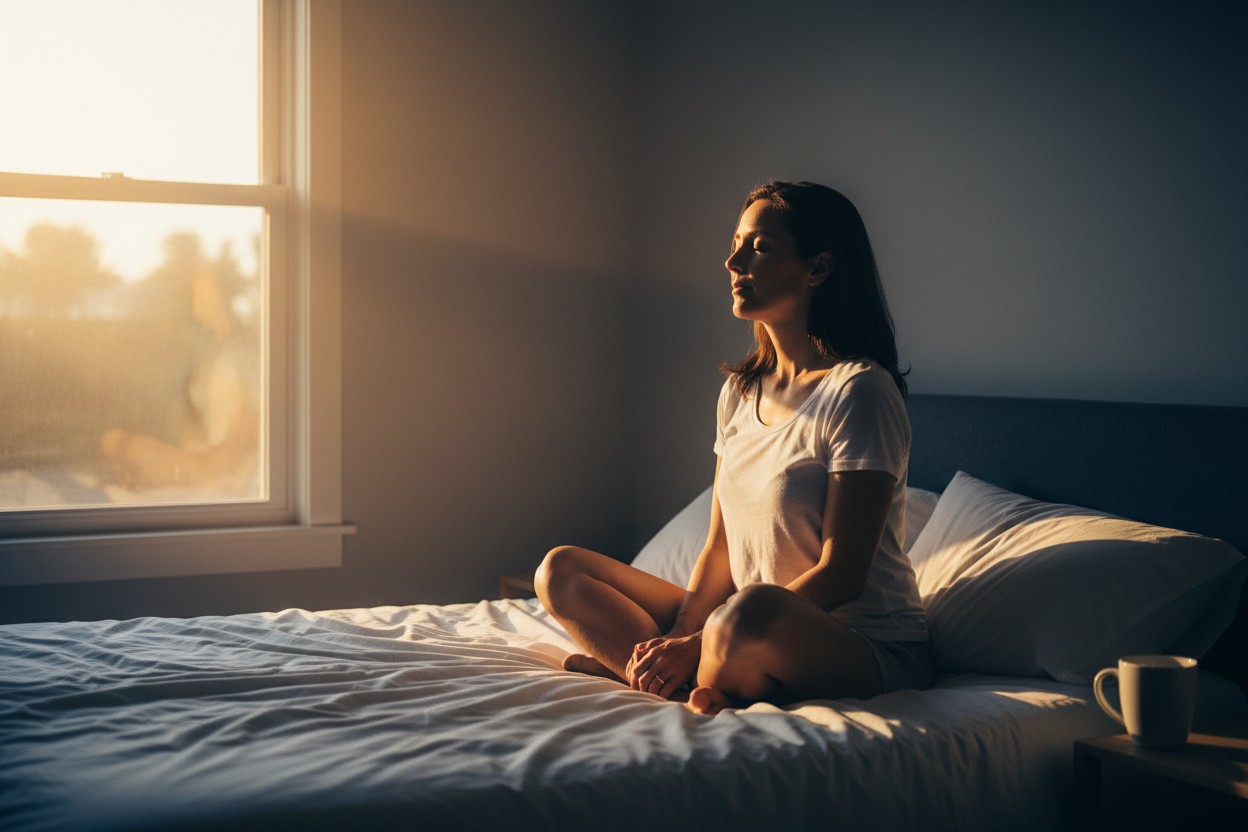
A new study has found that adults who spend more time in bright daytime light tend to fall asleep earlier and experience deeper sleep during the first half of the night. Researchers tracked 89 adults for one week using light sensors and consumer sleep trackers, analyzing more than 500 days of combined data.
According to the study, individuals with greater exposure to bright light during daylight hours showed earlier bedtimes and more consistent sleep schedules. The findings add to a growing body of evidence that daytime light exposure plays a key role in regulating circadian rhythms. Morning sunlight is known to help regulate melatonin production, improving sleep quality and reducing insomnia, depression, and anxiety, according to a report by NaturalNews.com [1].
Study Design and Findings
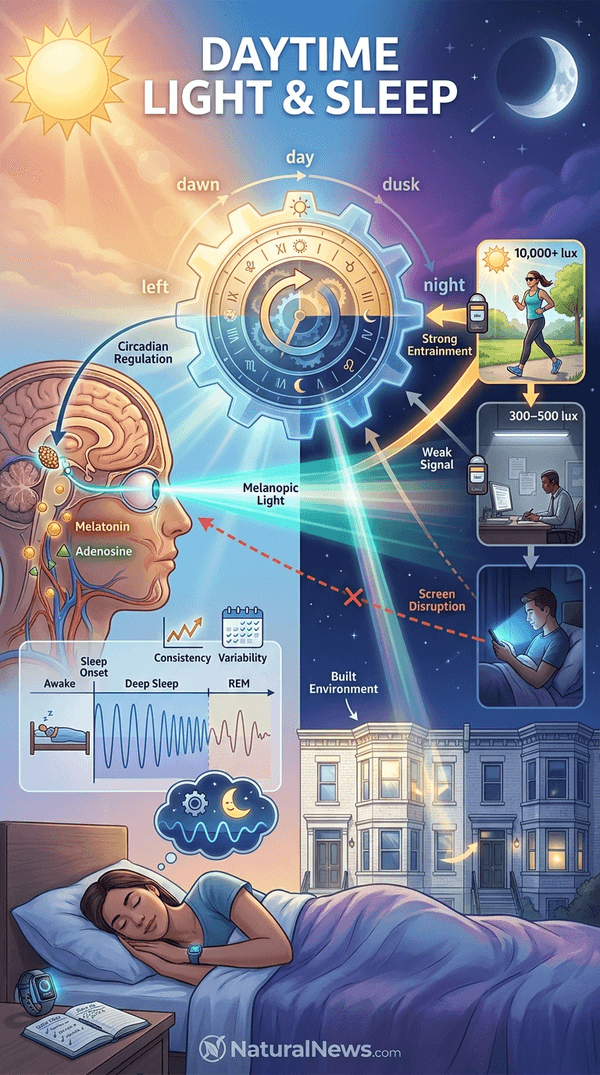
Participants in the study wore a wrist-mounted light sensor that measured melanopic light, the portion of the spectrum most influential on the body’s internal clock, along with a consumer sleep tracker. They also maintained daily sleep diaries. Researchers did not instruct participants to alter their routines, instead observing natural patterns of light exposure and sleep over the course of a week.
The data revealed that people who experienced more bright daytime light not only fell asleep earlier but also kept more stable sleep schedules. Those whose daily light exposure remained relatively consistent across the week demonstrated deeper sleep during the first half of the night compared to individuals with more variable exposure. This pattern held even after accounting for other factors known to affect sleep, according to the study authors.
Circadian Mechanism
The findings align with established circadian biology, which holds that melanopic light — particularly in the morning — suppresses melatonin and signals the brain to begin the internal countdown toward bedtime. From the moment we wake up, we start producing a chemical called adenosine, which gradually builds up and creates natural sleep pressure, typically reaching its peak 16 to 18 hours later, according to Natalie Pennicotte-Collier in her book “Sleep Reset” [2]. Melatonin, a hormone released at night by the pineal gland, then influences the sleep-wake cycle.
Spending all day under relatively dim indoor lighting can leave the body clock “guessing” what time it is, disrupting the timing of melatonin release. A study of row houses in Boston found that minor alterations, like painting walls white or better reflecting natural light, can significantly affect the light reaching occupants, as noted by Lisa Heschong in “Visual Delight in Architecture” [3]. This underscores the importance of bright daytime signals for synchronizing circadian rhythms.
Practical Implications and Expert Commentary
The consistency of light exposure may be as important as its brightness, the study noted. Many people spend weekdays indoors under artificial lighting and then spend hours outdoors on weekends, a pattern that can destabilize the body’s internal clock. Simple strategies such as taking a morning walk, drinking coffee on a patio, eating lunch outdoors, or working near a window can increase daytime light exposure. Even on cloudy days, outdoor light is dramatically brighter than typical indoor lighting, according to the researchers.
Erik S. Musiek, MD, PhD, a researcher and professor of neurology who codirects the Center on Biological Rhythms and Sleep at Washington University School of Medicine, commented on the broader context of the findings. “Outdoor light is very bright and can help strengthen circadian rhythms, which we think is a good thing,” he said in a report on Everyday Health [4]. Evening measures, such as dimming lights and limiting screen exposure in the hour before bed, help reinforce the natural day-night contrast that the brain expects, the study authors added. For optimal sleep, experts recommend getting daylight exposure for at least 30 to 60 minutes each day, ideally around solar noon, according to Dr. Mercola’s article “Lack of Sleep May Lead to Brain Shrinkage” [5].
Conclusion
The study suggests that improving sleep quality may begin hours before bedtime with increased daytime light exposure. Light is one of the strongest signals for the body’s internal clock, and modern lifestyles that confine people to dim indoor environments may be undermining natural sleep regulation. The researchers emphasized that even small adjustments to increase daytime brightness — such as stepping outside for a few minutes — can have measurable effects on sleep timing and depth.
Future research could explore how different light intensities and durations affect sleep in various populations, including shift workers and older adults whose circadian rhythms tend to weaken with age. As one researcher noted, understanding the role of daytime light in sleep health may offer a simple, low-cost intervention for the millions of Americans who struggle with poor sleep. Melatonin production is naturally suppressed by light, and artificial lighting and screen exposure can interfere with this process, according to a report by Willow Tohi on NaturalNews.com [6].
References
- Ramon Tomey. “The science of sleep How small changes can transform your health and well being”. NaturalNews.com. February 09, 2026.
- Natalie Pennicotte-Collier. “Sleep Reset”.
- Lisa Heschong. “Visual Delight in Architecture Daylight Vision and View”.
- Everyday Health. “Could Sunshine Help Protect Against Dementia?”. June 25, 2026.
- Mercola.com. “Lack of Sleep May Lead to Brain Shrinkage”. September 18, 2014.
- Willow Tohi. “Natural Sources of Melatonin May Support Sleep, Research Suggests”. NaturalNews.com. July 28, 2026.
Explainer Infographic
Submit a correction >>
Tagged Under:
blue light, Cell Phone Dangers, Censored Science, daytime light exposure, gadgets, healing, health science, Natural, natural cures, natural health, recovery, research, screen time, sleep, sleep disorders, sleep hygiene, Study
This article may contain statements that reflect the opinion of the author
RECENT NEWS & ARTICLES