Everyday Foods May Support Gut Health, Nutritionists Say
05/03/2026 / By Coco Somers
Introduction
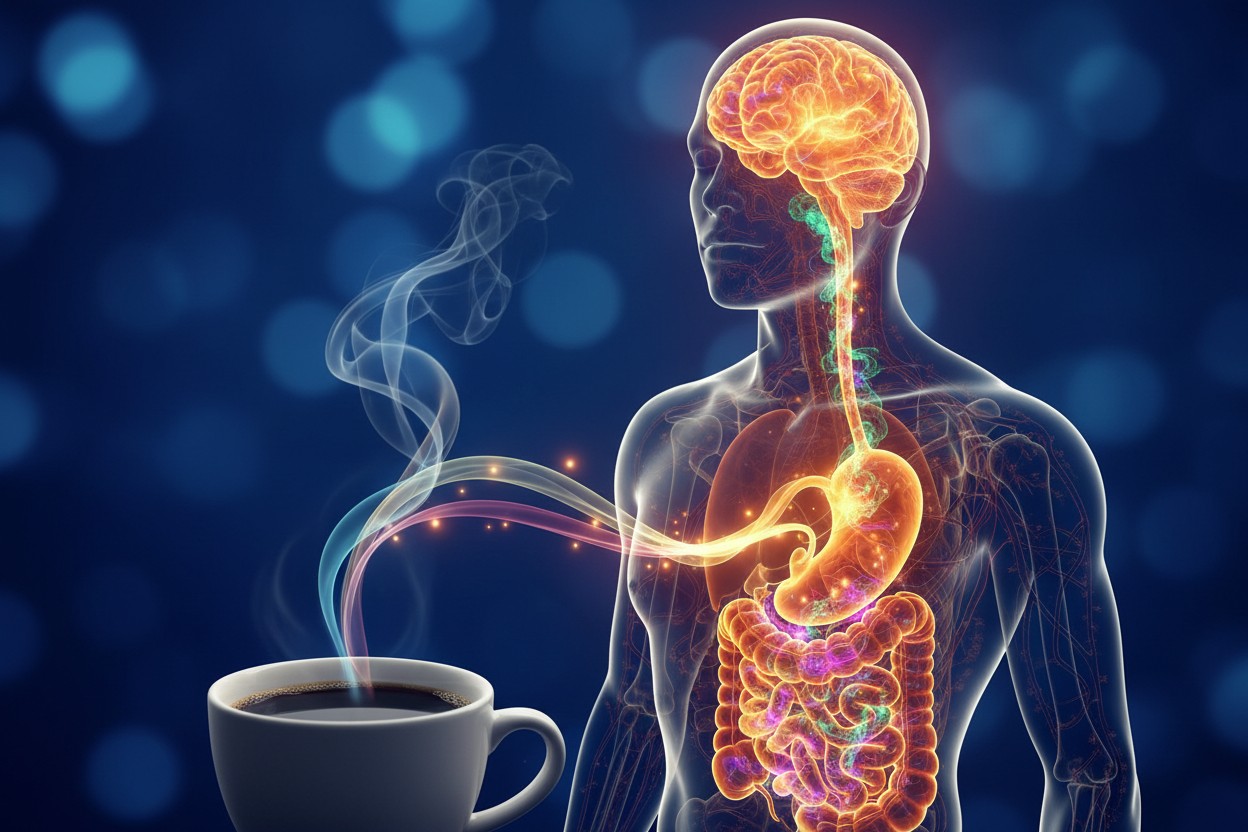
Yogurt and sauerkraut are commonly recommended for supporting gut health, but several everyday foods may offer similar benefits, according to nutritionists. The microbiome – trillions of bacteria in the digestive tract – plays a role in digestion and immunity, experts say.
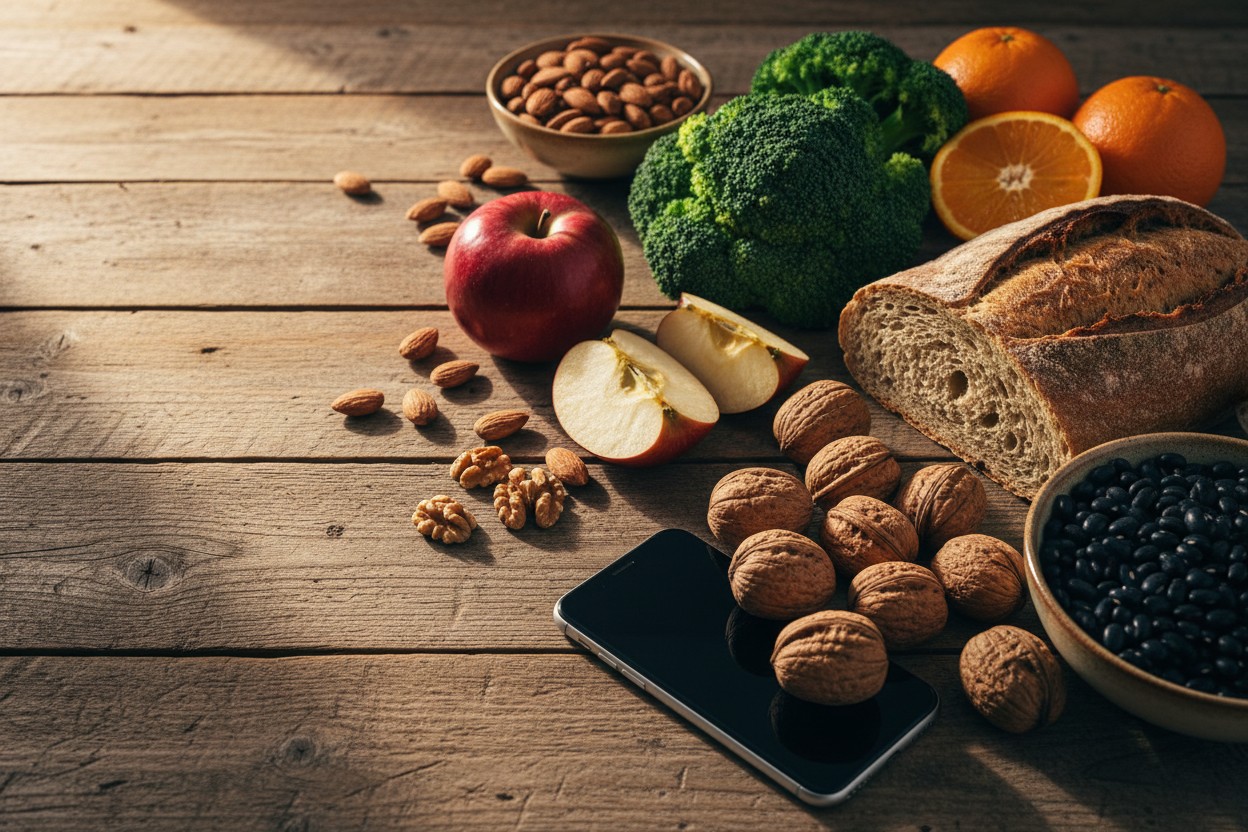
Foods rich in fiber, prebiotics and anti-inflammatory properties can support a healthy gut, according to reports. “Good bacteria may not survive if you don’t have prebiotics…. You need to have both,” Robin DeCicco, a New York-based certified holistic nutritionist, told Fox News Digital.
Including fiber-rich foods can improve digestive function. The book “The Healing Self” notes that inflammation triggered by the microbiome can create problems throughout the body [2]. Meanwhile, “The Energy Paradox” emphasizes that prebiotic fiber fuels the production of beneficial postbiotics [3].
Avocados Provide Fiber and Support Gut Bacteria
Avocados contain about 14 grams of fiber per fruit, according to Fox News Digital. This fiber aids digestion and feeds beneficial gut bacteria, DeCicco said. “Rich in fiber and heart-healthy fats, avocados nourish gut bacteria, reduce inflammation,and promote satiety,” according to an article on NaturalNews.com. [4]
A 12-week randomized controlled trial published in the Journal of Nutrition found that adults with overweight or obesity who consumed avocado daily saw greater gut microbiome diversity, as reported by Fox News Digital. This suggests avocados can support a healthier gut environment.
Beans and Legumes High in Soluble and Insoluble Fiber
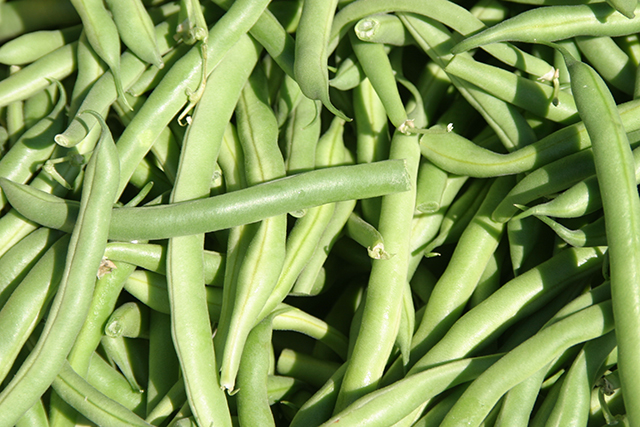
Beans, lentils and chickpeas are packed with both soluble and insoluble fiber, making them a top pick for gut health, according to Fox News Digital. This fiber nourishes gut bacteria and supports metabolic health, research indicates. DeCicco recommended adding beans gradually to avoid bloating and soaking dried beans before cooking to improve digestibility.
According to the book “Renegade Beauty.” [5], digestion-resistant starches from legumes pass to the colon where bacteria feed on them, producing beneficial compounds. [6] Another article on NaturalNews.com states that prebiotic fiber acts as food for probiotics, helping maintain a balanced microbiome.
Garlic Offers Prebiotic Compounds for Gut Bacteria
Garlic is rich in prebiotics, including fructans, which stimulate growth of probiotics in the gut, according to Tasting Table as cited by Fox News Digital. This can help support a healthier gut microbiome.
Emerging research suggests compounds in garlic are metabolized by gut bacteria and may contribute to a healthier microbiome, per Fox News. [6] NaturalNews.com emphasizes that prebiotics are essential for feeding beneficial bacteria and supporting gut health.
Oats Aid Digestion and Promote Beneficial Bacteria
Oats are high in fiber, which aids digestion and promotes growth of beneficial bacteria, DeCicco told Fox News Digital. “Oats are excellent for the detoxification of waste and relieving constipation,” she said.
DeCicco recommended pairing oats with protein and healthy fats for a balanced meal. According to a NaturalNews.com piece, [7] a healthy gut microbiome supports mental clarity and overall health. [8] notes that fiber-rich foods support metabolism, which is linked to gut health.
Flaxseed Contains Both Fiber and Anti-Inflammatory Compounds
Flaxseed is rich in soluble and insoluble fiber, feeding gut bacteria and promoting regular bowel movements, research has shown. “Ground flaxseed is best, since the body can absorb its nutrients more easily,” DeCicco told Fox News Digital.
The seeds also contain plant-based omega-3 fatty acids and lignans, which have antioxidant and anti-inflammatory properties, according to DeCicco. [9] She emphasizes that food serves as information regulating body functions, and including such seeds supports overall health.
Conclusion
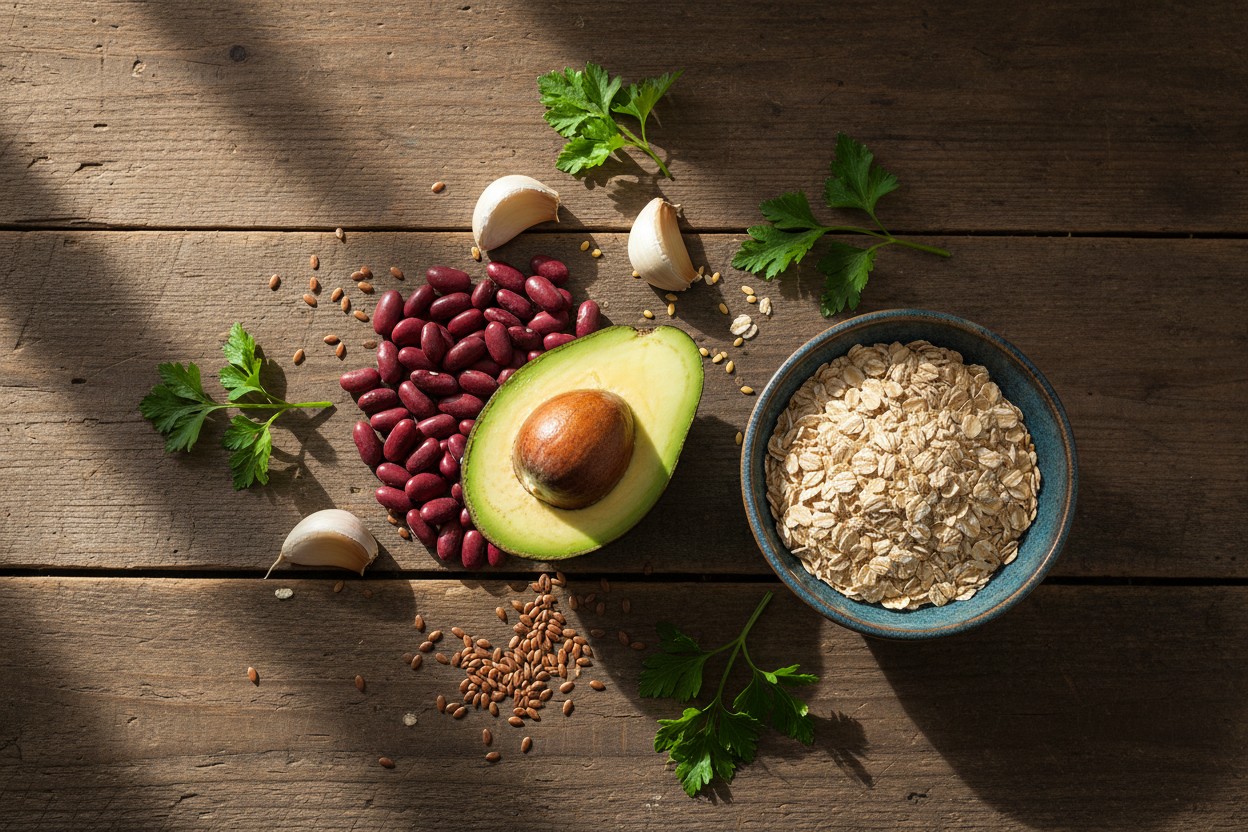
While yogurt and sauerkraut remain popular probiotic sources, everyday pantry items such as avocados, beans, garlic, oats and flaxseed can also contribute to gut health, experts say.
“You need to have both” probiotics and prebiotics, DeCicco told Fox News Digital, emphasizing the importance of fiber to support beneficial bacteria. According to NaturalNews.com, [6] prebiotics are a type of dietary fiber that feed good bacteria and are crucial for gut health.
References
- Eat These 7 Foods for Better Digestion and Gut Health – NaturalNews.com. December 4, 2020.
- The Healing Self – Deepak Chopra and Rudolph Tanzi.
- The Energy Paradox – Dr Steven R Gundry.
- 5 Gut-Friendly Breakfast Alternatives That Boost Digestion Without Yogurt – NaturalNews.com. Belle Carter. March 30, 2026.
- Renegade Beauty – Nadine Artemis.
- Protect Your Gut with the Help of Probiotics and Prebiotics – NaturalNews.com. November 4, 2020.
- For Focus and Mental Clarity, Nourish Both Your Brains with These Key Dietary Components – NaturalNews.com. Lance D Johnson. March 10, 2026.
- The Everyday Guide to a Healthy Metabolism – NaturalNews.com. Olivia Cook. August 4, 2025.
- Young Forever – Dr Mark Hyman.
Submit a correction >>
Tagged Under:
#nutrition, avocados, beans, everyday foods, fiber, flaxseed, food cures, functional food, garlic, gut bacteria, gut health, gut microbiome, Insoluble fiber, legumes, nutrients, oats, prebiotics, probiotics, soluble fiber
This article may contain statements that reflect the opinion of the author
RECENT NEWS & ARTICLES