
Chamomile shows promise for menopause relief in rigorous new trial
05/05/2026 / By Willow Tohi
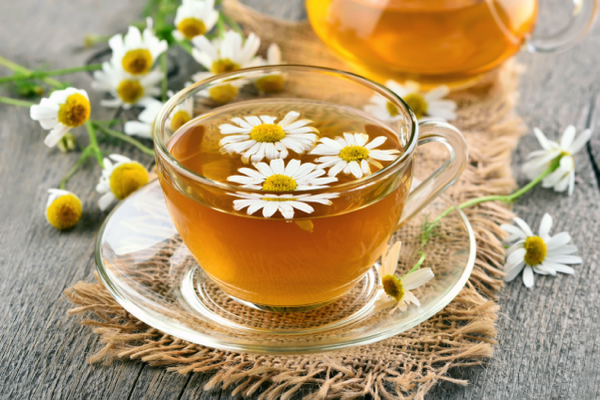
- A new triple-blind clinical trial found that chamomile extract significantly reduced menopausal symptoms in postmenopausal women.
- The 12-week study of 80 women showed improvements in hot flashes, mood swings, joint pain, and bladder issues.
- Participants took 100 mg chamomile capsules standardized to 1.2% apigenin four times daily.
- Two women in the chamomile group withdrew due to side effects including mouth sores and skin spots.
- Researchers say chamomile offers a gentle, plant-based option for women seeking menopause relief without hormone therapy.
The discovery: What happened and why it matters
A rigorous new scientific trial has found that chamomile, the common herbal tea long associated with calm and relaxation, may offer measurable relief for women navigating menopause. In a triple-blind clinical trial published in the journal Menopause in January 2025, researchers in Iran enrolled 80 postmenopausal women between the ages of 47 and 62 to test whether chamomile extract could ease the constellation of symptoms that often accompany this life stage. The findings were significant: women who took chamomile capsules for 12 weeks reported substantial improvements across multiple symptom categories, including hot flashes, night sweats, mood changes, joint and muscle pain, and bladder discomfort. The study offers hope to millions of women seeking effective, gentle, plant-based alternatives to hormone therapy, which is not recommended for everyone.
The science behind the soothing
The chamomile plant, specifically Matricaria chamomilla, has been used for centuries as a mild sedative and digestive aid. Its key active compound is apigenin, a flavonoid that binds to GABA receptors in the brain, the same calming pathway targeted by anti-anxiety medications. This mechanism helps explain the herb’s reputation for soothing nerves and promoting sleep. For menopausal women, apigenin’s ability to gently modulate the nervous system may be especially valuable, as fluctuating estrogen and progesterone levels can disrupt mood, temperature regulation, and sleep architecture.
The trial used a particularly robust design. It was triple-blind, meaning the participants, the researchers administering the treatment, and the analysts evaluating the data were all unaware of who received chamomile versus a placebo. This design eliminates the placebo effect and unconscious bias, making the results more reliable. Women in the chamomile group took 100 milligram capsules containing 1.2% apigenin four times daily—a standardized dose far higher than what is typically consumed in a cup of tea. While chamomile tea is caffeine-free and known for its relaxing properties, the concentrated extract used in the trial delivered a therapeutic dose of apigenin not easily achieved through drinking tea alone.
Symptom relief across the board
The results were striking in their breadth. By the end of the 12-week trial, women taking chamomile showed statistically significant improvements compared to the placebo group across every major symptom category measured by the Australian Menopause Association’s Scorecard Symptom Questionnaire.
Overall symptom scores: The chamomile group experienced a drop of more than 10 points on the symptom scale compared to the placebo group.
- Vasomotor symptoms: Hot flashes and night sweats were reduced significantly.
- Psychological symptoms: Mood swings, anxiety, and irritability showed measurable improvement.
- Locomotor issues: Joint stiffness and muscle pain eased in the chamomile group.
- Urological concerns: Bladder discomfort and related symptoms also improved.
What makes these findings particularly compelling is that chamomile addressed multiple dimensions of the menopausal experience at once. For women dealing with the cascade of changes—sleeplessness, mood volatility, physical discomfort—having a single intervention that can ease several concerns simultaneously is valuable.
Important safety considerations
While the results are promising, the study also included sobering notes. Two of the 40 women in the chamomile group withdrew because of side effects: mouth sores, skin spots, and itching. These reactions, while uncommon, remind both clinicians and consumers that natural remedies are not without risk. Allergic reactions to chamomile are rare but possible, particularly in people with sensitivities to ragweed, chrysanthemums, or other plants in the Asteraceae family.
Women with hormone-sensitive cancers, such as breast cancer, should consult their healthcare provider before using chamomile supplements, as some laboratory research suggests apigenin may influence estrogen receptors. However, experts emphasize that chamomile does not act like hormone replacement therapy and does not significantly raise estrogen levels. Pregnant women and those taking sedatives or blood thinners should also seek medical guidance before starting a chamomile regimen.
Why this news matters today
The timing of this research is significant. For decades, standard medical practice relied almost exclusively on hormone replacement therapy to manage menopausal symptoms. Then came the Women’s Health Initiative in 2002, which linked hormone therapy to increased risks of breast cancer, heart disease, and stroke. Millions of women abandoned hormone therapy overnight, often with no alternative options. In recent years, the medical community has revised its understanding of hormone therapy’s risks and benefits, but many women remain wary or cannot use hormones due to personal health history.
This study arrives at a moment when interest in botanical medicine and integrative care is growing. Women are increasingly asking for evidence-based options that honor their bodies’ natural processes while providing relief. The chamomile trial, for all its limitations—a small sample size, a single geographic population, and side effects in some participants—offers a rigorously tested, biologically plausible, and accessible tool for women who want to take an active role in their menopausal care.
The takeaway: A gentle tool, not a cure-all
This study does not suggest chamomile is a replacement for hormone therapy or other medical interventions for severe symptoms. But for women experiencing mild to moderate menopausal symptoms, chamomile extract may offer a gentle, science-backed option to take the edge off hot flashes, soothe mood swings, ease joint pain, and support better sleep. The key is realistic expectations: chamomile is not a knockout drug, but a moderate, consistent nudge toward comfort. For women 40 to 50 navigating the often bewildering transition of perimenopause and menopause, small, steady steps informed by science can make a real difference.
Sources for this article include:
Submit a correction >>
Tagged Under:
alternative medicine, Anxiety, chamomile, Cures, healing, herbal medicine, Herbs, hormones, natural health, natural medicine, nutrients, plant medicine, remedies, scientific, women's health
This article may contain statements that reflect the opinion of the author