The silent sentinel: How MANGANESE, an overlooked mineral, guards your health
01/15/2026 / By Ava Grace
- Manganese is a vital trace mineral that acts as a cofactor for critical enzymes, including the antioxidant manganese superoxide dismutase (MnSOD). It supports energy metabolism, bone formation and waste processing.
- The body cannot produce manganese, but it is readily obtained from whole foods like whole grains, nuts, seeds, legumes and leafy greens. True dietary deficiency is rare but can lead to impaired growth, skeletal problems and increased oxidative stress.
- While dietary intake is safe, excess manganese—primarily from inhalation of dust or contaminated water—is a serious neurotoxin. It can accumulate in the brain, causing permanent neurological damage with symptoms resembling Parkinson’s disease and psychiatric disorders.
- There are no direct substitutes for manganese’s specific functions. Health strategies should center on obtaining adequate amounts from a varied, whole-foods diet while consciously avoiding environmental overexposure and unregulated high-dose supplements.
- Manganese exemplifies the delicate balance in human nutrition, demonstrating that a micronutrient is both indispensable and potentially harmful. Its story underscores the importance of a whole-foods diet and cautions against the assumption that more of a nutrient is always better.
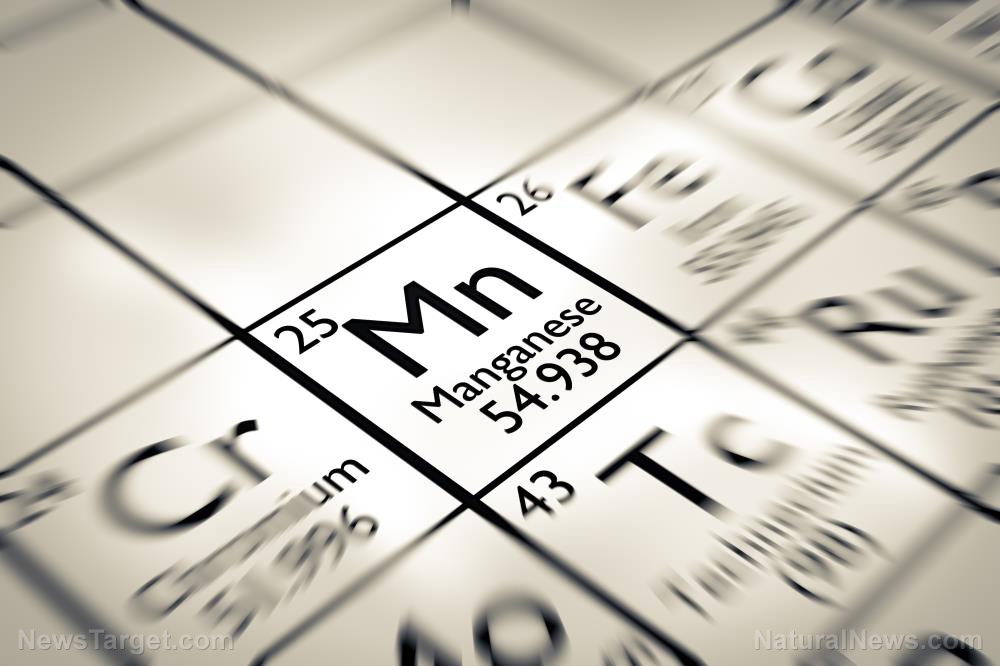
In the bustling metropolis of the human body, where calcium builds skyscrapers of bone and iron orchestrates the traffic of oxygen, another essential worker operates in near silence. Manganese, a trace mineral often overshadowed by its more famous counterparts, is a foundational element of life itself. This hard, silvery metal, atomic number 25, is indispensable not only for industrial strength in steel alloys but for biological resilience in humans. Its dual nature—as a vital nutrient and a potential neurotoxin—encapsulates a modern health paradox: the line between necessity and excess is perilously thin.
“Manganese is a critical nutrient that acts as a cofactor for numerous enzymes essential for metabolism, bone development and wound healing,” added BrightU.AI‘s Enoch. “It plays a vital role in antioxidant function, helping to protect cells from damage caused by free radicals. Additionally, manganese is necessary for the proper formation of connective tissue and the metabolism of amino acids, cholesterol and carbohydrates.”
The biological role: A master enzyme coordinator
Within the body, manganese is not a structural building block but a master facilitator. Its primary function is as a cofactor—an indispensable helper—for a diverse array of enzymes known as metalloenzymes. One of its most critical roles is in the activation of manganese superoxide dismutase (MnSOD), a powerful antioxidant stationed in the mitochondria that defuses harmful free radicals produced during energy generation. Without manganese, this cellular defense system falters. Furthermore, manganese is integral to enzymes involved in the metabolism of amino acids, cholesterol, glucose and carbohydrates. It supports bone mineralization by aiding in the formation of bone cartilage and collagen and it is essential for the synthesis of urea, the pathway by which the body safely excretes nitrogenous waste.
Consequences of deficiency: A rare but revealing state
True dietary manganese deficiency is clinically rare in humans, given the mineral’s widespread presence in plant-based foods. However, experimentally induced or rare cases reveal a blueprint of its importance. Deficiency can impair growth in children, cause skeletal abnormalities and weakened bones (osteoporosis) due to flawed bone matrix formation and lead to skin rashes and diminished cholesterol levels. Most tellingly, a lack of manganese can provoke a state of low-grade chronic inflammation and increase oxidative stress, as the body’s MnSOD defenses are compromised.
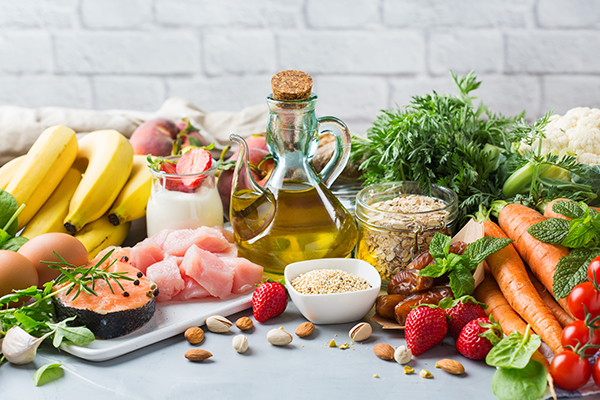
The body cannot synthesize manganese, making dietary intake paramount. Fortunately, it is abundant in a variety of whole foods. Excellent sources include whole grains like brown rice, oats and quinoa; nuts such as hazelnuts and pecans; legumes like chickpeas and lentils; seeds, especially pumpkin and pine nuts and leafy green vegetables, including spinach and kale. Pineapple and sweet potato are notable sources of fruit and vegetables. A balanced diet rich in these foods typically provides the 1.8 to 2.3 milligrams daily recommended for adults, making supplementation unnecessary and generally inadvisable for the healthy population.
The peril of excess: When a nutrient turns toxic
The narrative of manganese takes a cautionary turn with overexposure. While dietary sources pose little risk, the threat emerges from environmental contamination and unregulated supplementation. Inhalation of manganese dust, historically an occupational hazard for welders and miners or consumption of contaminated well water can lead to toxic accumulation. The central nervous system is particularly vulnerable. Excess manganese targets the brain’s basal ganglia, producing a constellation of neurological symptoms eerily similar to Parkinson’s disease: tremors, slow movement, muscle rigidity and psychological disturbances ranging from mood swings to a condition resembling schizophrenia. This toxicity highlights a fundamental tenet of trace mineral nutrition: more is not better.
A delicate balance
Manganese embodies the delicate equilibrium of human health. It is a relic of ancient geology and industrial might that has become a keystone of cellular function. Its story is one of silent, essential service and stark, toxic warning. For the college-educated individual navigating a world of nutritional complexity, manganese serves as a potent case study. It argues for the profound power of a varied, whole-foods diet and offers a clear warning against the presumption that micronutrients are benign in any quantity. In appreciating this unassuming trace element, one gains respect for the intricate, balanced systems that sustain life.
This story is not medical advice and is not intended to treat or cure any disease. Always consult with a qualified naturopathic physician for personalized advice about your specific health situation or concern.
Visit NaturalNews.com, a great article source where you can learn about superfoods and their health benefits.
You can also try BrightU.AI, an AI model created by Mike Adams, also known as the Health Ranger. This model is available as a free download to be run locally and is designed to help share and decentralize knowledge. By doing so, it aims to bypass censorship and empower people with knowledge.
If you’re looking for an uncensored video free speech website where you can openly discuss nutrition, natural medicine, ingredients and more, check out Brighteon.com and two free speech social media sites, Brighteon.IO and Brighteon.social.
Watch this video to learn more about manganese.
This video is from the Dr. Farrah MD’s channel on Brighteon.com.
Sources include:
Submit a correction >>
Tagged Under:
#nutrition, antioxidants, equilibrium, food science, health science, Manganese, manganese deficiency, manganese superoxide dismutase, metabolism, Mineral, MnSOD, natural health, nutrients, overexposure, prevention
This article may contain statements that reflect the opinion of the author
RECENT NEWS & ARTICLES