Study finds MICROPLASTICS deep inside human bones, warns of osteoporosis risk
12/28/2025 / By Ava Grace
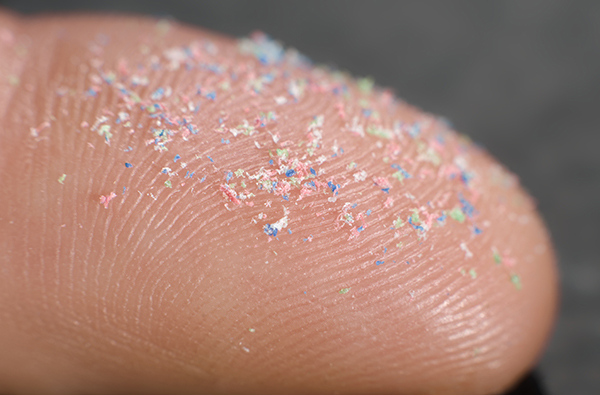
- Microplastics have been confirmed deep within human skeletal tissues, including bone, cartilage and spinal discs, as reviewed in a major scientific publication.
- These particles enter the body through inhalation, ingestion and skin contact, traveling via the bloodstream to reach the vascular network of bones and bone marrow.
- Laboratory and animal studies show microplastics trigger chronic inflammation in bone cells, disrupt normal function and can increase bone-destroying cells (osteoclasts), leading to net bone loss, decreased bone mass and compromised structure.
- This discovery intersects with a projected global surge in osteoporosis, suggesting microplastics may be a novel environmental risk factor exacerbating the epidemic.
- While definitive human evidence is being pursued, experts advocate for the precautionary principle—both personal measures to reduce exposure and systemic policies to drastically cut plastic pollution at its source.
In a discovery that underscores the profound reach of modern pollution, scientists have confirmed that microplastics are embedded deep within the very framework of the human body: our bones.
A review of 62 studies, published in Osteoporosis International, reveals these particles infiltrate bone, cartilage and spinal discs. While direct proof of harm in humans is still evolving, laboratory and animal studies paint a disturbing picture of accelerated cellular aging and bone weakening. This finding arrives as global health authorities project a 32 percent rise in osteoporosis-related fractures by 2050, prompting urgent questions about whether an invisible contaminant is quietly exacerbating a public health disaster.
The pathway of microplastics into the human skeleton is a testament to their pervasive nature. These particles shed from clothing, furniture and packaging. They are inhaled, ingested with food and water and absorbed through skin contact.
Once inside, the smallest particles, known as nanoplastics, enter the bloodstream. The skeletal system, a living, blood-rich tissue, is not a sealed fortress. Its dense vascular network becomes a highway, allowing circulating plastics to reach the bone marrow and the delicate cellular worksites where bone is constantly built and broken down.
From environment to anatomy: The journey of a plastic particle
The scientific evidence, primarily from cellular and animal research, outlines a clear mechanism of damage. When bone marrow stem cells absorb microplastic particles, it triggers chronic inflammation. This inflammatory response disrupts normal cell function.
Critically, research indicates microplastics can push these stem cells to overproduce osteoclasts—the body’s bone-demolition crews. An overabundance of osteoclasts tips the natural balance against bone-building cells, leading to net bone loss.
The consequences observed in animal studies are direct and alarming. Exposure has been linked to decreased bone mass, a compromised trabecular microarchitecture (the spongy interior of bones), and stunted skeletal growth. In some cases, the damage led to bone deformities.
The particles appear to accelerate the aging of bone cells, impairing their viability and function. This cellular sabotage suggests a direct pathway by which environmental pollution could translate into mechanical failure of the skeleton.
This emerging threat intersects with an already escalating global health challenge. Osteoporosis is becoming more common worldwide, driven by an aging population and factors like obesity and sedentary lifestyles. The potential role of microplastics represents a novel and underappreciated environmental risk factor that could be working in tandem with these known causes.
The scale of plastic contamination provides a sobering backdrop. Humanity produces over 400 million tons of plastic annually, a material that now pollutes every corner of the planet.
Scientists have documented microplastics in human blood, the brain, the placenta and breast milk. The skeletal discovery confirms that no organ system, not even our structural core, is beyond reach.
Navigating uncertainty and seeking solutions
Acknowledging the gravity of these findings, the scientific team is launching further research to examine the mechanical strength of bones exposed to microplastics. The goal is to generate concrete evidence that could position microplastic exposure as a controllable environmental cause for deteriorating bone health.
For the public, navigating this uncertainty is challenging. Experts stress that the precautionary principle applies. The most effective strategy is source reduction: drastically cutting the amount of plastic, especially single-use items, that enter our lives. Once microplastics are loose in the world, they are virtually impossible to clean up.
On a personal level, individuals can take steps to reduce exposure such using water filtration systems certified to remove microplastics and choosing tap water over bottled water. When it comes to food, storing food in glass or stainless steel instead of plastic is advisable, and heating food in plastic containers should be avoided.
The danger of microplastics inside human bones is that they can leach toxic chemicals, trigger systemic inflammation and stimulate cells that break down bone, leading to a loss of bone density and increased risk of fractures, according to BrightU.AI‘s Enoch engine. Given this, broader, systemic change is imperative. This includes supporting policies that limit single-use plastics, investing in alternative materials and improving plastic recycling and disposal.
The problem is not merely one of waste management but of public health. The discovery of microplastics deep within human bones is a stark warning sign: The consequences of our plastic dependence have moved into the most intimate realms of human biology. While researchers work to definitively quantify the risk, the convergence of evidence creates a compelling case for urgent attention.
Watch Jefferey Jaxen and Del Bigtree discussing how microplastics may be contributing to blood clots and other health issues below.
This video is from The HighWire with Del Bigtree channel on Brighteon.com.
Sources include:
Submit a correction >>
Tagged Under:
bone, bone health, bone marrow, cartilage, Dangerous, environ, human bones, microplastics, nanoplastics, natural cures, osteoporosis, placenta, research
This article may contain statements that reflect the opinion of the author
RECENT NEWS & ARTICLES