
Study Links Ultra-Processed Food Intake to More Severe Age-Related Muscle Loss
08/18/2026 / By Coco Somers
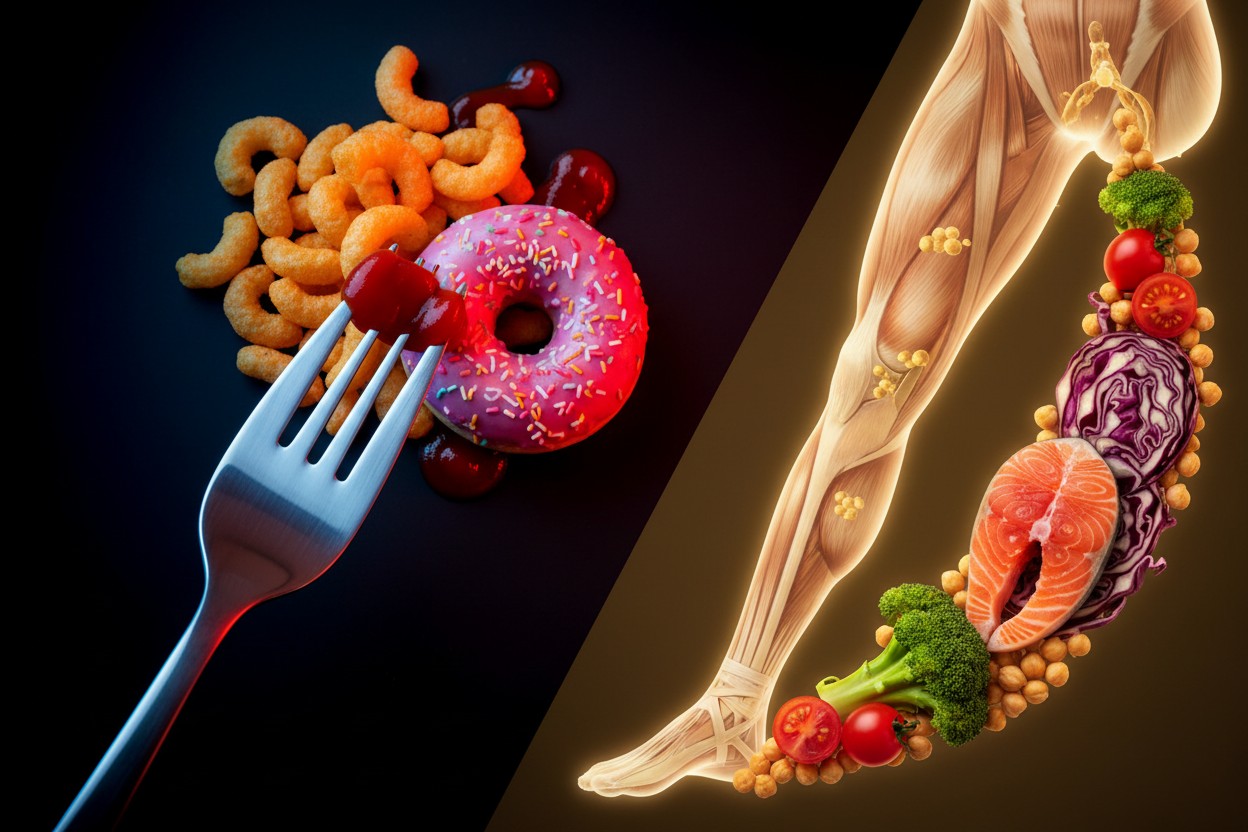
Study Links Ultra-Processed Diets to Muscle Loss in Older Adults
High consumption of ultra-processed foods was associated with more severe age-related muscle loss, including the most advanced forms, according to findings reported Aug. 6. The analysis drew on 1,006 older adults in Iran enrolled in the Birjand Longitudinal Aging Study and classified muscle health into four stages using a standard clinical framework, researchers said.
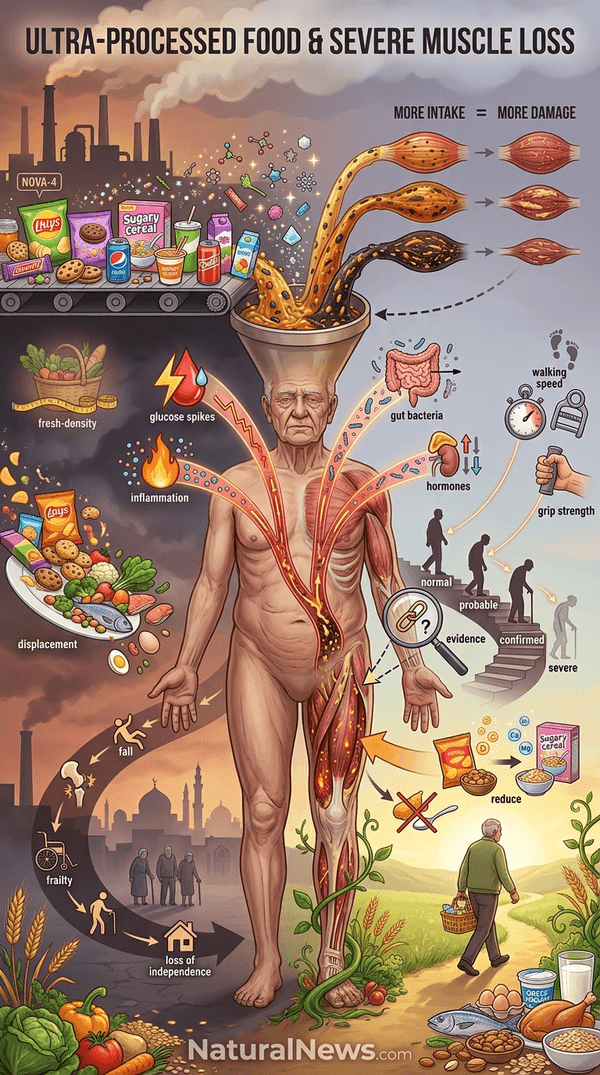
The pattern is consistent with earlier findings. Ultra-processed food consumption has been linked to reduced muscle quality in middle-aged and older adults, and each extra daily serving has been associated with declines in walking speed and grip strength among older men, according to separate reports [1][2]. Sarcopenia, the progressive loss of skeletal muscle mass and function, increases the risk of falls, fractures, and loss of independence, according to a July 2026 report [3].
Study Design and Measurement
Among the 1,006 participants, 29.1% had no sarcopenia, more than half had probable sarcopenia, 8.7% had confirmed sarcopenia, and 7.7% had severe sarcopenia, according to the analysis. The study was cross-sectional, meaning diet and muscle health were measured at the same point in time; the authors said this design can identify patterns but cannot prove that ultra-processed foods caused the muscle loss.
The analysis categorized food intake using the NOVA system, which groups foods by how heavily they are processed. The same classification has been used in a study that linked high ultra-processed food consumption to a 47% higher risk of heart attack or stroke among U.S. adults [4]. Researchers noted that heavily processed diets can displace fruits, vegetables, legumes, and other minimally processed foods that provide nutrients involved in muscle maintenance.
Findings and Proposed Mechanisms
People with the highest ultra-processed food intake were significantly more likely to have sarcopenia than those with the lowest intake, according to the study. The association was strongest at the advanced end of the muscle-loss spectrum, with high intake tied to the most severe stages, the report stated.
The findings align with research from the University of California, San Francisco, which analyzed 615 participants with an average age of 60 and found that those who ate more ultra-processed foods had greater amounts of intramuscular fat in their thigh muscles [1]. Another study published in Nutrients found that each additional daily serving of ultra-processed food was linked to a measurable decline in walking speed and grip strength among men [2]. Researchers said displacement may be part of the explanation, because ultra-processed foods can crowd out the protein, fiber, vitamins, and minerals muscles need. The article also referenced chronic low-grade inflammation, which can interfere with muscle repair, and metabolic effects involving blood sugar, gut health, and hormones.
Spoken commentary has made a similar point. In a December 2024 presentation, Chris Martenson said, “The industrialization and aggressive marketing of these processed foods have led to poor dietary habits that contribute to chronic inflammation, which in turn increases the risk of various diseases including cardiovascular issues, diabetes, and obesity” [5].
Dietary Guidance and Expert Response
The report recommends reducing, rather than eliminating, ultra-processed foods to support muscle health. Suggestions include prioritizing protein at each meal with eggs, Greek yogurt, legumes, fish, poultry, and lean meats, and replacing chips with nuts or sugary cereal with oats. Fruits, vegetables, whole grains, and dairy are described as sources of vitamin D, calcium, and magnesium that support muscle function.
A longevity guide states that a higher protein intake in those 65 and older is linked to a lower mortality risk and that protein reduces the risk of frailty [6]. The same guide notes that added fructose in processed foods is more likely to promote fat storage in the liver and inside muscles, while whole fruit consumption is associated with a lower risk of obesity and metabolic syndrome [6]. Another book on healthy habits advises limiting processed food and eating a clean diet of real foods rather than products with long ingredient lists [7].
Commentary on heavily processed foods has made a similar point. In a February 2025 broadcast, Mike Adams referred to heavily processed factory foods such as cookies, crackers, cake, and refined white bread and said, “These products are stripped of essential nutrients, making them far more vulnerable to toxic effects” [8].
Conclusion
According to the study authors, consistent dietary patterns may influence how well muscles are preserved with age. The article said the findings add to a body of evidence linking diets high in ultra-processed foods to more severe muscle decline.
The report concluded that long-term dietary patterns matter more than individual meals for muscle health. Researchers called for additional longitudinal studies to determine whether reducing ultra-processed foods can slow the progression of sarcopenia.
References
- NaturalNews.com. “Study Links Ultra Processed Food Consumption to Reduced Muscle Quality”. NaturalNews.com. May 02, 2026.
- NaturalNews.com. “Ultra Processed Foods Consumption Linked to Declining Mobility and Strength in Older Adults, Study Finds”. NaturalNews.com. November 06, 2025.
- NaturalNews.com. “Natural, Science-Backed Strategies to Halt Muscle Loss with Age”. NaturalNews.com. July 22, 2026.
- NaturalNews.com. “Study Links Ultra Processed Foods to 47 Higher Heart Attack Stroke Risk”. NaturalNews.com. May 08, 2026.
- Chris Martenson. “Food Until Sickness It Doth Give”. PeakProsperity.com. December 04, 2024.
- Siim Land. “The Longevity Leap: A Guide to Slowing Down Biological Aging and Adding Healthy Years to Your Life”.
- Myrna Chandler Goldstein. “The 50 Healthiest Habits and Lifestyle Changes”.
- Mike Adams – Brighteon.com. “Brighteon Broadcast News – BEWARE Of Fake MAHA “. Brighteon.com. February 07, 2025.
Explainer Infographic
Submit a correction >>
Tagged Under:
aging, discoveries, food science, frankenfood, grocery, health science, muscle health, muscle loss, products, research, sarcopenia, stop eating poison
This article may contain statements that reflect the opinion of the author