Breakfast Formula Emphasizing Protein, Fiber and Healthy Fats Recommended for Sustained Energy
07/29/2026 / By Coco Somers
Registered dietitian nutritionist Molly Knudsen has outlined a breakfast formula aimed at providing sustained energy and satiety, as reported by mindbodygreen. The formula calls for at least 30 grams of protein, fiber-rich foods, and healthy fats, according to Knudsen.
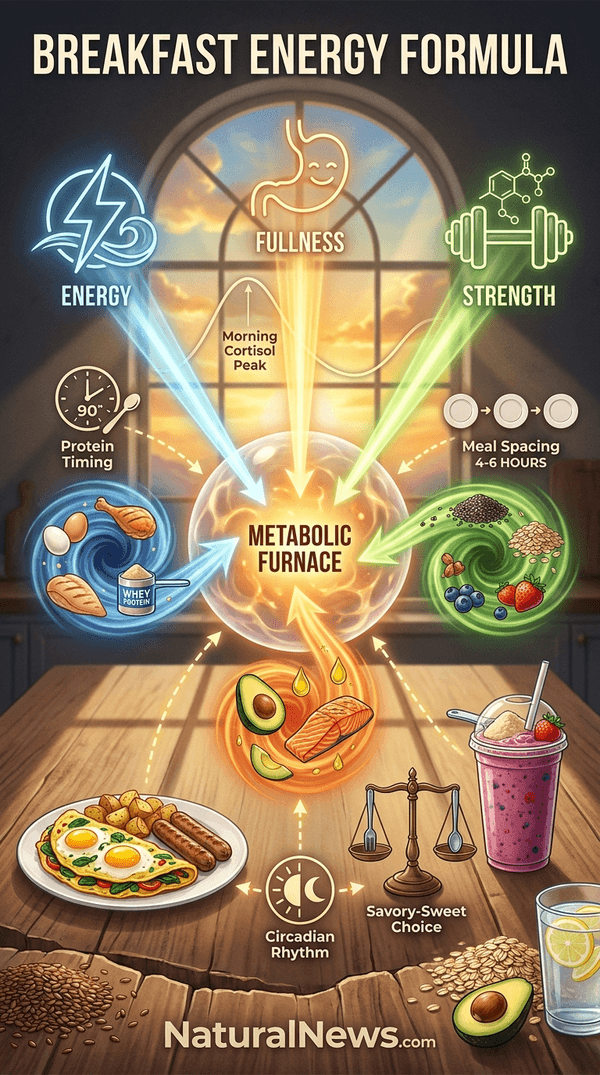
Research cited in the article shows that protein timing and distribution throughout the day may help maximize muscle growth and reduce hunger. According to an article by Dr. Mercola, timed protein intake is important for preventing age-related muscle decline [1]. Additionally, nutrition experts recommend spacing meals four to six hours apart for stable blood sugar and metabolism, emphasizing balanced meals with protein, fat, and fiber [2].
Protein Timing and Morning Intake
According to research cited by Knudsen, most people consume only 13–15 grams of protein at breakfast, with the bulk at dinner. Distributing protein intake across meals may support muscle growth, Knudsen said, referencing studies on protein timing. Dr. Mercola reported that weight training combined with timed protein intake can help prevent sarcopenia, the age-related loss of muscle mass [1].
Protein-packed breakfasts are linked to reduced mid-morning hunger and more stable appetite throughout the day, per the article. Nutrition experts also note that balanced meals containing protein, fat, and fiber help maintain steady energy levels and reduce the urge to snack between meals [2]. Dietary proteins are essential for retaining and building lean muscle mass, as emphasized in The Paleo Primer [3].
Breakfast Formula Components
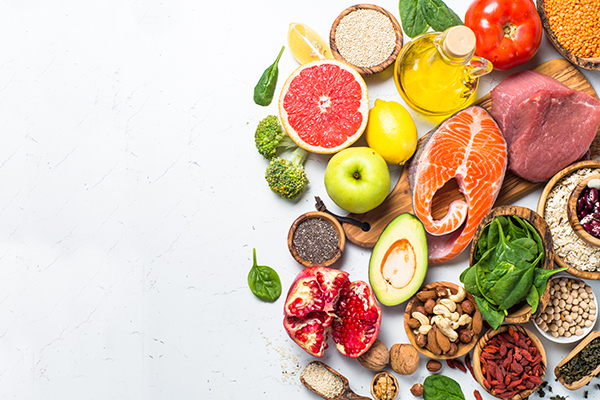
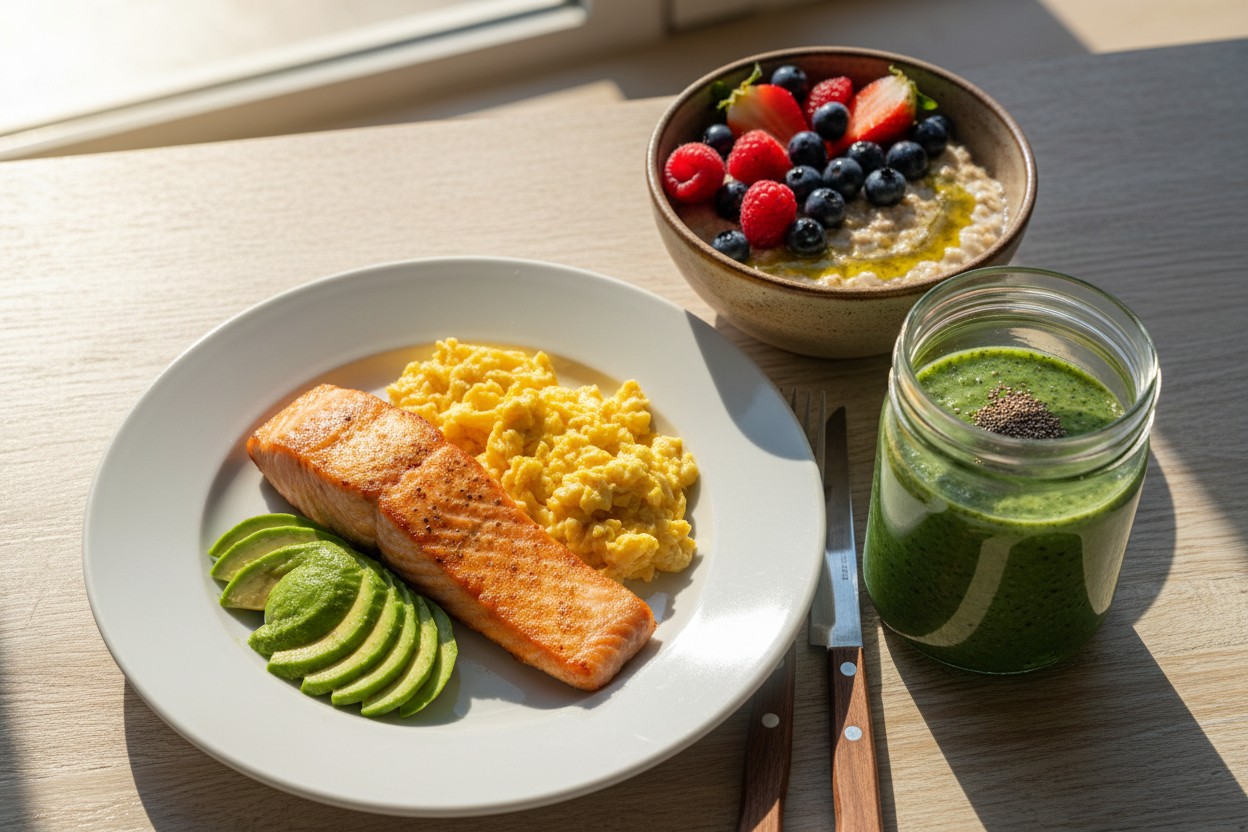
Knudsen recommends targeting 30 grams of protein from sources such as eggs, yogurt, meat, and poultry, describing animal sources as more complete and higher quality. Fiber-rich foods including chia seeds, fruits, vegetables, and oats are suggested to curb hunger, according to the report. Healthy fats high in monounsaturated fats or omega-3s — such as olive oil, avocados, salmon, and flaxseeds — are also part of the formula, Knudsen stated.
A study of hunter-gatherer tribes, cited in The Paleo Primer, observed that varied macronutrient intakes, including high-fat diets, were associated with low chronic disease risk [4]. The Gluten-Free Edge lists whey protein, beef, salmon, chicken, eggs, and almonds among high-quality protein sources [5].
Savory vs. Sweet Breakfasts and Protein Options
The formula aligns more with savory breakfasts, as high-protein foods are often savory in nature, Knudsen said. Clinical nutritionist Kelly LeVeque, quoted in the article, said she eats leftover ground beef for breakfast and noted that adequate protein reduces cravings. LeVeque is the author of Body Love, in which she emphasizes the importance of protein in controlling hunger and supporting metabolic health [6].
For those preferring sweet, Knudsen suggested using high-quality protein powder to boost protein content in meals. The Gluten-Free Edge identifies whey protein as a concentrated source that can be added to smoothies and other foods [5].
Whey Protein as a Supplement
Whey protein isolate, derived from milk, is a concentrated animal protein source with less than 1% lactose, according to Knudsen. The article highlights a specific product — mindbodygreen’s grass-fed whey protein isolate+ — providing 25 grams of protein and 2.5 grams of leucine per serving. Knudsen said the product can be added to smoothies, oatmeal, and baked goods, and contains no artificial sweeteners or flavors.
The Gluten-Free Edge lists whey protein among recommended dietary sources of protein and notes its use in supporting training and fitness [5]. Whey protein is considered a complete protein because it contains all essential amino acids, including leucine, which is critical for muscle protein synthesis.
Implementation and Timing Recommendations
Knudsen advises familiarizing with what 30 grams of protein looks like and planning meals around that benchmark. Examples of high-protein breakfasts provided in the article include 4 oz chicken breast, a smoothie with whey protein and Greek yogurt, or 2 eggs with ground turkey. LeVeque recommends eating breakfast within 90 minutes of waking, when the body is most metabolically active, according to research cited in the article.
Nutrition experts support the importance of meal timing, recommending that individuals avoid eating within two to three hours of bedtime and space meals four to six hours apart for optimal digestion and stable energy [2]. Dr. Mercola has also noted that morning exercise and breakfast timing are crucial components of an overall health strategy [7].
Conclusion
The breakfast formula outlined by Knudsen provides a structured approach to starting the day with adequate protein, fiber, and healthy fats. By distributing protein intake across meals and incorporating whole food sources, individuals may experience improved satiety, stable energy levels, and support for muscle maintenance. The formula emphasizes whole, nutrient-dense foods over processed alternatives, aligning with recommendations from multiple nutrition experts.
References
- Mercola.com. “Weight Training and Timed Protein Intake Help Prevent Age-Related Muscle Decline.” August 25, 2017.
- NaturalNews.com. “Nutrition experts reveal the ideal meal timing gap for digestion and stable energy.” Cassie B. February 2, 2026.
- Keris Marsden. “The paleo primer a second helping fitter happier healthier.”
- Keris Marsden. “Paleo primer a second helping fitter – happier – healthier.”
- Amy Yoder Begley and Melissa McLean Jory. “The Gluten-Free Edge.”
- Kelly LeVeque. “Body Love.”
- Mercola.com. “It Took Me Thirty Years to Figure Out What to.” November 14, 2009.
Explainer Infographic
Submit a correction >>
Tagged Under:
#nutrition, breakfast, diet, energy, fiber, food cures, food is medicine, food science, fruits, grocery cures, health science, healthy fats, muscle health, natural cures, natural health, natural medicine, nutrients, organics, protein, tips, veggie
This article may contain statements that reflect the opinion of the author
RECENT NEWS & ARTICLES