Study: Fitness Trackers Increase Physical Activity in Heart Disease Patients
06/29/2026 / By Edison Reed
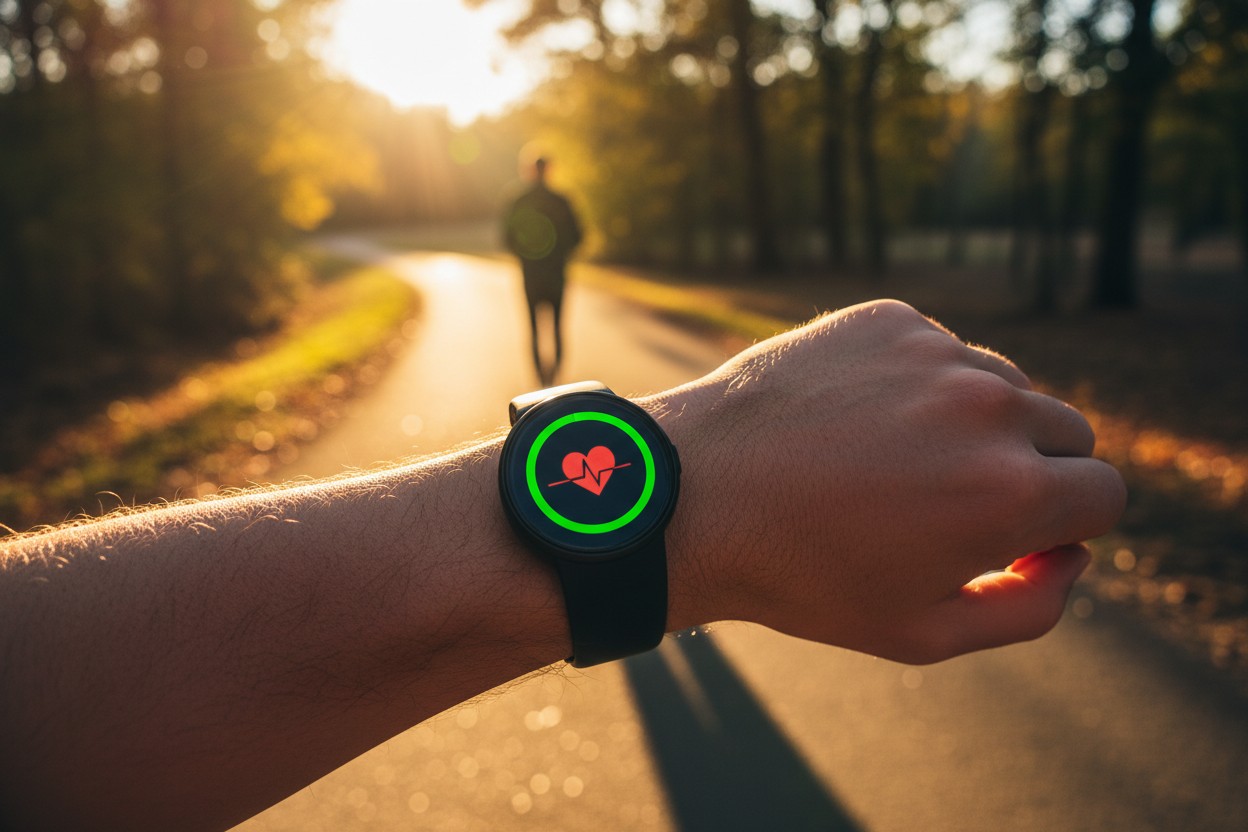
A meta-analysis of 14 randomized controlled trials found that people with cardiovascular disease who used wearable devices or smartphone apps added an average of 1,097 more daily steps compared to standard care. The analysis also showed an increase of 3.9 additional minutes of moderate-to-vigorous physical activity per day, according to the study published in the Journal of the American Heart Association.
Researchers screened more than 2,700 articles and included 1,057 participants with conditions such as coronary heart disease, heart failure, and stroke. Physical inactivity is a well-established risk factor for cardiovascular disease, according to researchers. Prolonged sedentary time has been associated with increased risk of cardiovascular disease mortality and other health problems. [1]
Barriers to Traditional Cardiac Rehabilitation
Traditional cardiac rehabilitation is effective but underutilized, the study authors said. Cost, distance, and scheduling conflicts are common barriers that prevent many patients from attending in-person sessions. The study aimed to determine whether wearable devices already owned by patients could help bridge this gap.
The study’s findings suggest that technology may offer a practical alternative. According to researchers, many patients fail to maintain activity after a diagnosis, despite the known benefits of regular movement. [1]
Behavior Change Techniques Drive Results
The effectiveness of wearables was not due to passive data collection but to active engagement features, the study reported. Researchers identified 27 behavior change techniques across the trials. The most common were self-monitoring of behavior, present in all 14 studies; feedback on behavior, present in 13 studies; and goal-setting, present in 11 studies.
Only 2 of the 14 programs explicitly cited an established behavioral theory, indicating that practical features performed well even without formal frameworks, according to the authors. Wearable fitness trackers provide data on physical activity, heart rate, and sleep, which can support self-monitoring and goal adjustment. [2] The devices often come with default step goals, such as 10,000 steps, which originated from a marketing campaign rather than scientific research, according to reports. [3]
Applying the Findings to Everyday Use
The study focused on cardiovascular patients, but the behavior change principles apply broadly, researchers noted. Consistency over intensity is key: even 1,000 additional steps per day showed meaningful improvement, according to the analysis. Walking just 3,600 steps daily has been associated with a 26% lower risk of heart failure, underscoring the impact of modest increases. [4]
Experts recommend using device features such as reminders, progress rings, and weekly summaries — the feedback mechanisms linked to success in the trials. Specific goals, such as adding a 10-minute walk after dinner three times a week, are more effective than vague encouragement, the research suggests. Brisk walking is more impactful than step count alone; 30 minutes of fast walking reduces heart risks, according to studies. [4] [5]
Conclusion: Wearables as Accessible Heart Health Tools
Wearable technology does not replace medical care but makes consistent movement more accessible, the study authors concluded. Device accuracy can vary, particularly for people with atypical gait patterns such as stroke survivors, according to the report. The findings support the idea that self-monitoring, feedback, and goal-setting — rather than passive tracking — drive behavior change, officials said.
For individuals managing heart disease, small and consistent movement remains a high-leverage habit. Devices already owned by many patients may serve as practical tools to support that habit, when used intentionally. [2]
References
- Mercola.com. “You Shouldnt Sit All Day Long.” March 25, 2016.
- Alexandra Hart. “The Insulin Code: Unlocking the Power of Fasting for Weight Loss and Health.”
- Ava Grace. “The 10,000-Step Myth: How a Marketing Gimmick Shaped Global Health for Decades.” NaturalNews.com. October 1, 2025.
- Ava Grace. “Rethinking the 10,000-Step Rule: How Fewer Steps Done Right Can Save Your Heart.” NaturalNews.com. August 18, 2025.
- Peter Walker. “The Miracle Pill.”
- Mercola.com. “Will 10000 Steps a Day Make You Fit.” July 3, 2015.
Submit a correction >>
Tagged Under:
alternative medicine, cardiac rehabilitation, exercise, fitness, Fitness tracker, future tech, health science, Heart, heart disease, heart health, inventions, longevity, Men's Fitness, men's health, physical activity, prevent heart disease, prevention, Women's Fitness, women's health
This article may contain statements that reflect the opinion of the author