Some cases of anxiety are caused by food chemicals and may resolve on an anti-inflammatory diet
04/14/2026 / By Lance D Johnson

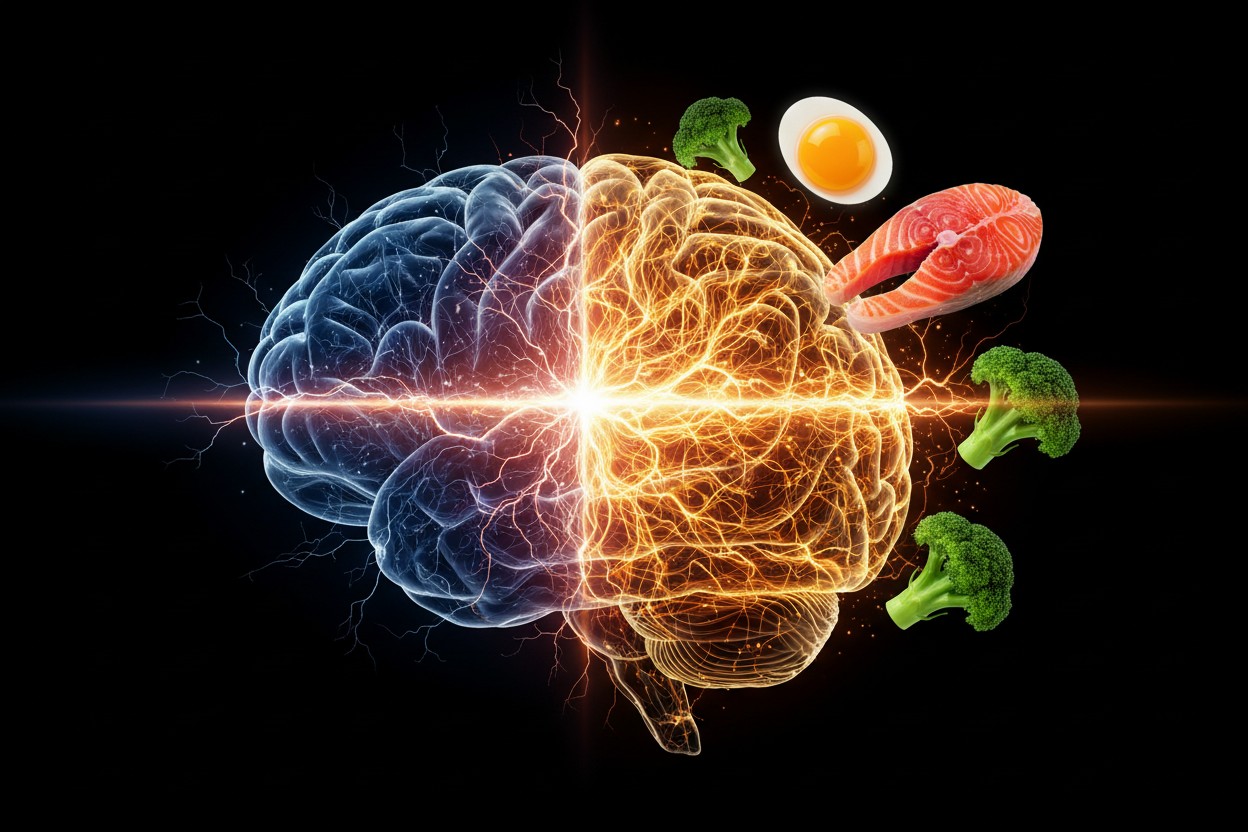
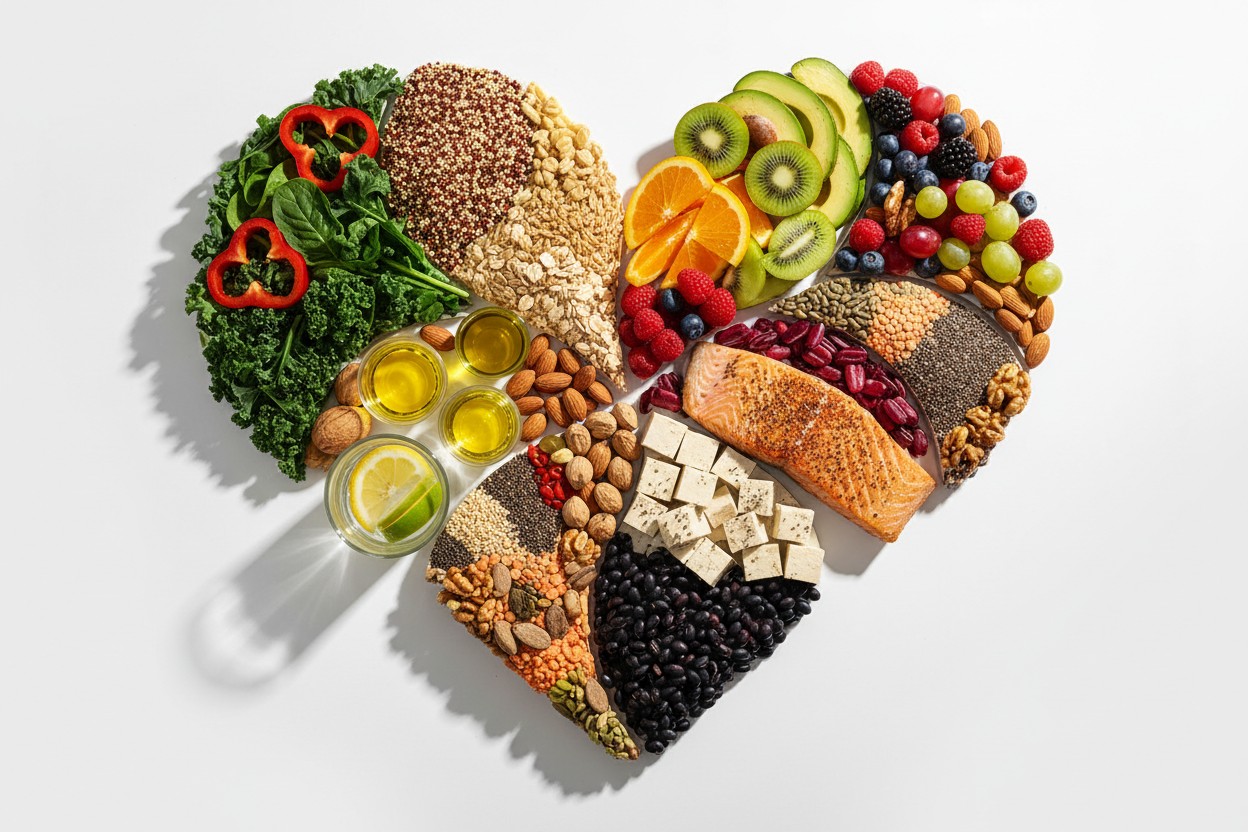
Based on the narrative review “An Anti-Inflammatory Diet and Its Potential Benefit for Individuals with Mental Disorders and Neurodegenerative Diseases,” chronic low-grade inflammation is a key factor in conditions like Alzheimer’s disease, anxiety, depression, and schizophrenia. The review synthesizes evidence showing that dietary patterns can modulate this inflammation and influence brain health primarily through the gut-brain axis. The proposed Brain Anti-Inflammatory Nutrition (BrAIN) diet emphasizes whole, anti-inflammatory foods while limiting pro-inflammatory ones.
Key points:
- Chronic anxiety and systemic inflammation are bi-directionally linked, creating a vicious cycle that standard treatments often ignore.
- Common dietary elements, including refined sugars, bad fats, caffeine, and allergenic foods, act as physical stressors that can initiate or exacerbate anxiety.
- Leaky gut syndrome, driven by inflammation, perpetuates anxiety through toxin release and nutrient malabsorption.
- An anti-inflammatory dietary protocol, emphasizing specific nutrients, can directly calm the nervous system and reduce anxiety symptoms.
- Specific foods and medicinal plants offer scientifically-backed nervous system support, providing natural alternatives or adjuncts to conventional care.
Unmasking the inflammatory trigger
The connection between a troubled mind and a troubled body is nowhere more evident than in the inflammation-anxiety axis. Research consistently shows that inflammatory markers, like C-reactive protein (hs-CRP), are often elevated in individuals with anxiety. This is not a coincidence. Chronic stress—be it emotional, physical, or dietary—floods the body with inflammatory cytokines. These chemical messengers can cross the blood-brain barrier, disrupting neurotransmitter function and directly impacting brain regions involved in fear and emotion, such as the amygdala.
The primary battleground is the gut. Stress-induced inflammation damages the intestinal lining, leading to a condition commonly called leaky gut. This allows undigested food particles and toxins to enter the bloodstream, provoking a continual immune response and systemic inflammation. Crucially, it also impairs the absorption of critical nutrients like B vitamins, magnesium, and omega-3 fatty acids, which are essential for neurotransmitter synthesis and nervous system regulation. A deficiency in these nutrients, as noted in the knowledge base, is a direct pathway to heightened anxiety. Thus, the cycle is self-perpetuating: stress causes gut inflammation, which causes nutrient deficiency and more inflammation, which fuels more anxiety.
Foods as medicine: five nervous system restoratives
Moving beyond avoidance, strategic nutritional inclusion is powerful medicine. The following foods are backed by research for their direct role in soothing the nervous system and mitigating anxiety:
- Fatty Fish (Salmon, Mackerel, Sardines): Rich in the omega-3 fatty acids EPA and DHA, these fats are critical for brain cell membrane fluidity and reducing neuroinflammation. Studies indicate that supplementation with EPA, in particular, can significantly reduce anxiety symptoms. The knowledge base recommends a therapeutic dose of 3,000 mg of combined EPA+DHA daily.
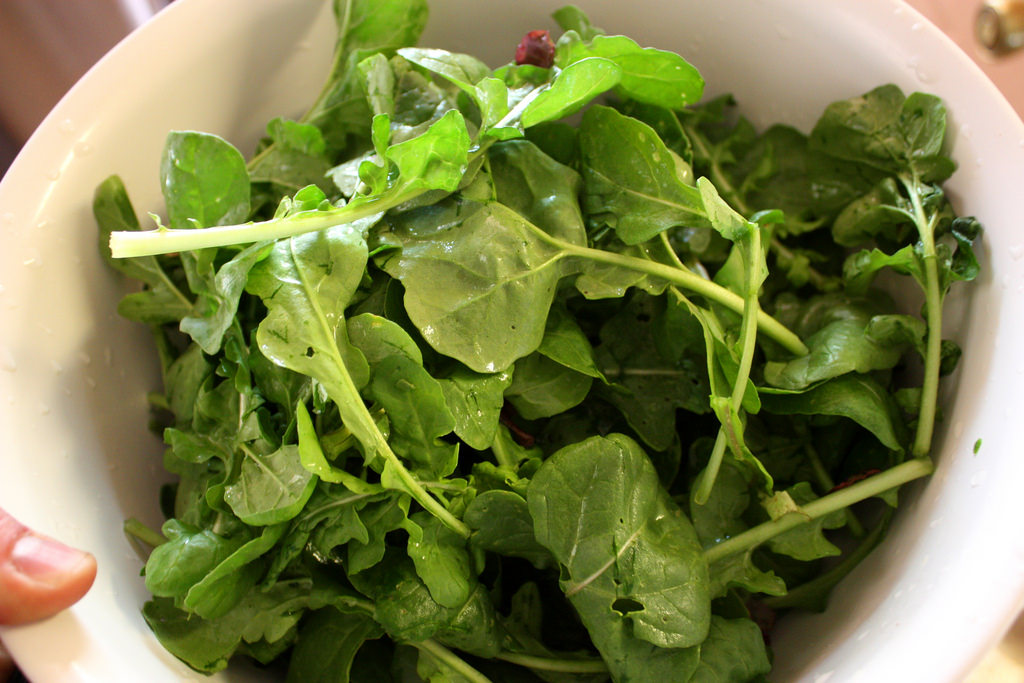
- Leafy Greens (Spinach, Kale, Swiss Chard): Packed with magnesium, a mineral that acts as the body’s natural relaxation agent. Magnesium deficiency is linked to increased anxiety, as it helps regulate neurotransmitters that calm the brain and nervous system.
- Berries (Blueberries, Strawberries, Raspberries): High in antioxidants like flavonoids, berries combat oxidative stress—a key component of the chronic stress and inflammation cycle. Research suggests these compounds can enhance mood and protect the brain from inflammation-induced damage.
- Fermented Foods (Kimchi, Sauerkraut, Kefir): These probiotic-rich foods support a healthy gut microbiome. A balanced gut flora is essential for producing neurotransmitters like serotonin and GABA, which have calming, anti-anxiety effects.
- Pumpkin Seeds: An excellent source of zinc, a mineral heavily concentrated in the brain and crucial for nerve signaling. Zinc deficiency has been strongly correlated with anxiety and mood disorders.
Botanical first responders: five plants for acute calm
In addition to daily dietary foundation, certain plants offer more acute nervous system support. These natural agents can be used during periods of heightened stress or anxiety.
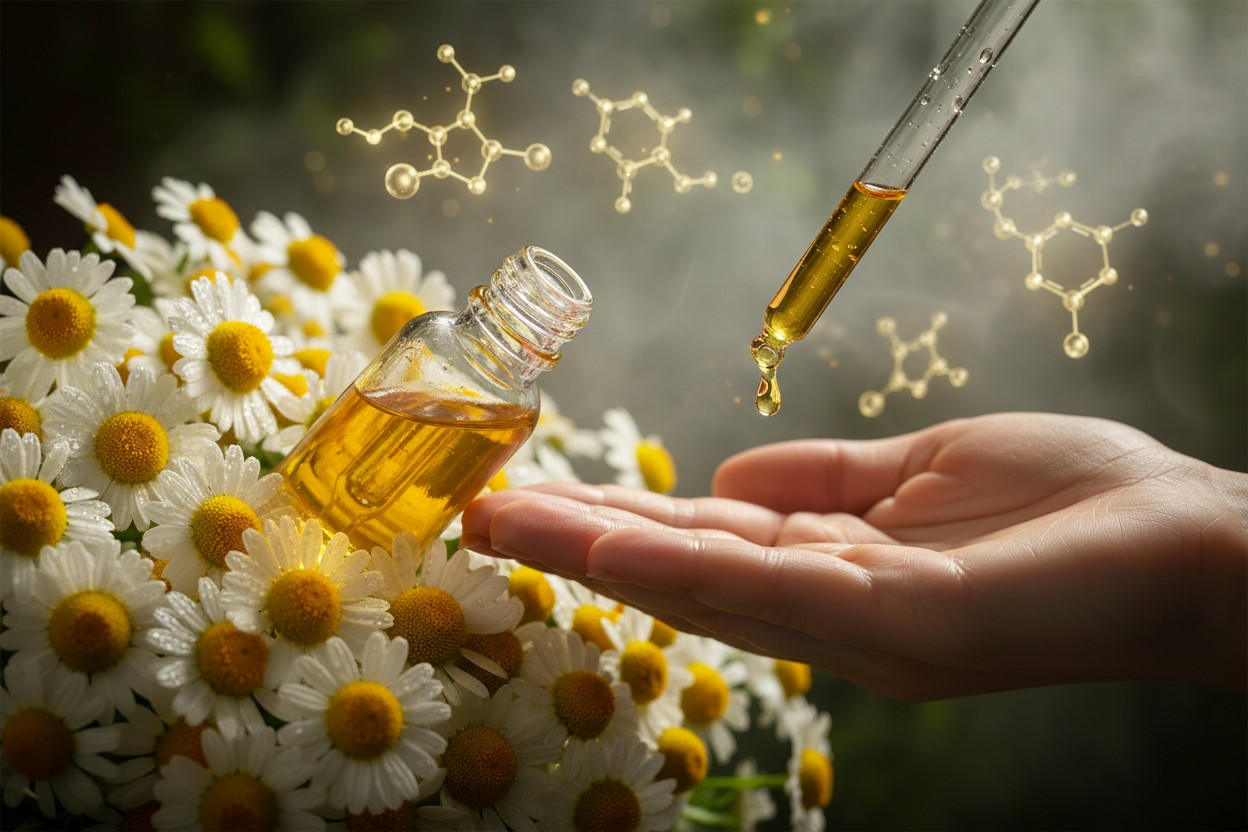
- Chamomile: Apigenin, an antioxidant in chamomile, binds to specific receptors in the brain that may reduce anxiety and initiate sleep. Clinical trials have shown it to be effective in reducing symptoms of generalized anxiety disorder.
- Lavender: Proven in multiple studies, oral lavender oil preparation (Silexan) has demonstrated efficacy comparable to some pharmaceutical anxiolytics for generalized anxiety, without sedative effects or potential for dependency.
- Lemon Balm: A member of the mint family, lemon balm has been used for centuries to reduce stress and anxiety. Modern research confirms it can improve mood and promote calmness, particularly when combined with other calming herbs like valerian.
- Ashwagandha: Classified as an adaptogen, this Ayurvedic herb helps the body resist physical and mental stress. Studies show it can effectively lower cortisol levels (the primary stress hormone) and reduce anxiety.
- Valerian Root: While often used for sleep, valerian contains compounds that increase levels of GABA, a neurotransmitter that quiets nervous system activity, making it useful for situational anxiety and tension.
The path to resolving chronic anxiety requires looking past the prescription pad and into the home apothecary/pantry. By understanding how food chemicals inflame the nervous system, one can engineer a diet that nourishes their gut and brain axis. Certain plant-based interventions can calm the nervous system, allowing for a deeper sleep. Biohacking with anti-inflammatory foods is an important tool for combating stress, especially when one is going through tough times and traumas that cause anxiety. The right foods and herbs can support recovery for mental health problems, from depressive symptoms to anxeity.
Sources include:
Submit a correction >>
Tagged Under:
#nutrition, antioxidants, Anxiety, ashwagandha, beat depression, chamomile, Cures, diet, food cures, food is medicine, Fresh, fruits, frutis, grocery cures, gut health, Herbs, holistic health, inflammation, Lavender, leaky gut, Magnesium, mental, mental health, mind body science, natural health, natural medicine, natural remedies, nervous system, omega 3, plant medicine, prevention, probiotics, remedies, stress, toxins, Veggies, Whole Foods
This article may contain statements that reflect the opinion of the author
RECENT NEWS & ARTICLES