Ten foods you were told to avoid that are actually nutritional powerhouses
03/21/2026 / By Lance D Johnson

For years, the aisles of the supermarket have been a minefield of confusion, with well-meaning shoppers nervously avoiding foods they were told were dietary villains. What if much of that fear was manufactured, based on shaky science and amplified by industries with a vested interest in selling you something else? The journey to true health often requires unlearning the propaganda and returning to the wisdom of nutrient-dense, whole foods that have sustained humans for generations.
Key points:
- A re-examination of nine commonly maligned foods reveals they are rich in essential nutrients.
- Decades of dietary advice, often influenced by corporate interests, misled the public about fats, cholesterol, and more.
- Sardines are a budget-friendly powerhouse of omega-3 fatty acids and vitamin D, for example.
- Heavy in calories, organ meats, are still nutrient dense, providing nutrients and minerals in their most bio-available forms.
- Embracing these whole foods, from dark chocolate to grass-fed beef, can be a cornerstone of a natural, disease-fighting lifestyle.
The great fat and cholesterol deception
Perhaps the most damaging nutritional myth of the last half-century is the demonization of saturated fats and dietary cholesterol. This flawed narrative, which led to the proliferation of “low-fat,” sugar-laden products and dangerous artificial trans fats, convinced millions to shun some of nature’s most perfect foods. The truth, as revealed by independent research ignored by mainstream media for years, is that there is no proven link between saturated fat consumption and heart disease. The body’s relationship with cholesterol is complex and highly individual; for most people, dietary cholesterol from foods like egg yolks has a minimal impact on blood cholesterol levels, which are more influenced by sugar and processed carbohydrates.
This liberation from fear means we can rediscover foods like coconut oil, a potent antimicrobial and metabolic booster, and egg yolks, one of the finest sources of brain-supporting choline and true vitamin A. It rehabilitates grass-fed beef, a treasure trove of bio-available iron, zinc, and compounds like creatine, unfairly lumped in with processed meats. The propaganda served to benefit the processed food and pharmaceutical industries, not public health, creating a nation afraid of nourishing fats while consuming record amounts of inflammatory seed oils and sugars.
Nutrient density disguised as “scraps” and “taboos”
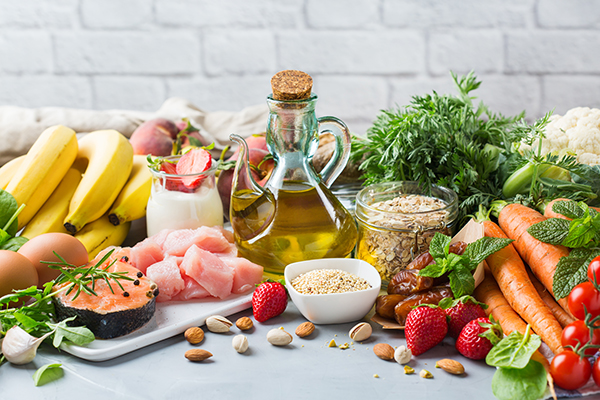
Beyond fats, other profoundly nutritious foods were relegated to the cultural sidelines, labeled as unpalatable “offal” or unfairly scrutinized for their calorie content. Organ meats, or offal, represent the pinnacle of nutritional density, containing vitamins and minerals in their most bio-available forms. Liver, for instance, is nature’s multivitamin, packed with true vitamin A, all the B vitamins, and copper, nutrients that are often deficient in modern diets. Similarly, tiny sardines are a budget-friendly powerhouse of omega-3 fatty acids and vitamin D, consumed bones and all for a major calcium boost, yet their image suffered from association with poverty and convenience.
Even nuts were caught in the crossfire of calorie-counting mania, causing people to miss out on their rich supplies of vitamin E, selenium, and magnesium. These foods were casualties of a reductionist view of nutrition that focused solely on single metrics like calories or fat grams, blinding us to the synergistic complexity of nutrients that work together to build health and prevent disease.
Antioxidant-rich foods smeared by sugar fears
Finally, a group of antioxidant-rich foods suffered guilt by association, their benefits obscured by fears of sugar or caffeine. Pure dark chocolate (with high cacao content) is one of the most antioxidant-rich substances on the planet, fighting DNA damage and aging, yet was tarred with the same brush as sugary candy bars.
Coffee, long a subject of unnecessary controversy, is a major source of antioxidants and has been consistently linked in honest research to reduced risks of type 2 diabetes and neurodegenerative diseases. Even the humble banana was wrongfully ostracized by low-carb dogma, despite its valuable potassium, fiber for blood sugar balance, and convenience as a whole-food snack. The propaganda here often took the form of oversimplification, ignoring the profound difference between a square of 85% dark chocolate and a milk chocolate bar, or between a balanced diet that includes fruit and a diet overloaded with refined sugars.
As the walls of outdated dietary dogma continue to crumble, a pressing question remains: How many other simple, affordable, and powerful nutritional truths are we still ignoring due to the lingering echoes of corporate-funded misinformation? The journey to robust health is not found in the pharmacy or the lab, but often on our own plates, in the honest, unprocessed foods that have been there all along, waiting for the fog of propaganda to lift.
Sources include:
Submit a correction >>
Tagged Under:
#nutrition, dietary myths, food facts, food freedom, food is medicine, Food Myths, food science, health awareness, health education, health news, Health Propaganda, health research, health truth, healthy eating, holistic health, natural health, natural living, natural remedies, nutritional healing, Nutritional therapy, organic food, real food, wellness, wellness education, wellness tips
This article may contain statements that reflect the opinion of the author
RECENT NEWS & ARTICLES