A Tragic Death and the Weaponization of Fear: Questioning the Raw Milk Narrative
02/09/2026 / By Morgan S. Verity
Introduction
The recent death of a New Mexico infant is an unspeakable tragedy, a loss that demands profound compassion and sober reflection. Yet, before the family had time to grieve, a chorus of institutional voices and media headlines descended, swiftly attributing the death to the mother’s consumption of raw milk. This immediate, emotionally charged assignment of blame is not merely reporting; it is a well-worn tactic, weaponizing personal sorrow to advance a predetermined narrative of fear and control over our food. As we examine the facts and the broader context of food freedom, a different story emerges—one of institutional overreach, suppressed alternatives, and a relentless campaign to criminalize natural, sovereign food choices.
A Family’s Tragedy and the Rush to Blame
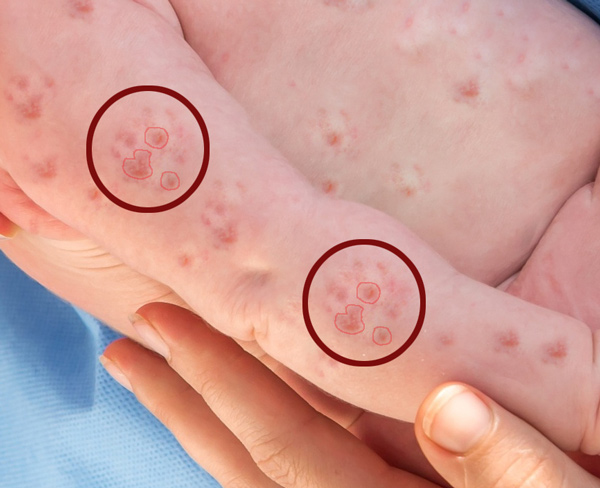
In early February 2026, health officials announced a newborn had died from a listeria infection. The New Mexico Department of Health stated they believed ‘the most likely source of infection’ was the mother drinking raw milk, but crucially admitted that ‘investigators cannot pinpoint the exact cause.’ [1]
This crucial admission reveals the narrative’s shaky foundation. The link is based on probability, not conclusive proof. Yet, the emotional weight of a baby’s death is immediately leveraged to issue ‘urgent warnings’ against raw milk consumption nationwide, framing a personal tragedy as a public health crisis demanding institutional intervention. [2]
This pattern is familiar. A single, heartbreaking event becomes the pretext for sweeping generalizations and calls for bans, sidelining nuance and individual circumstance in favor of a top-down, fear-based policy agenda.
The Pasteurization Debate: Safety vs. Sovereignty
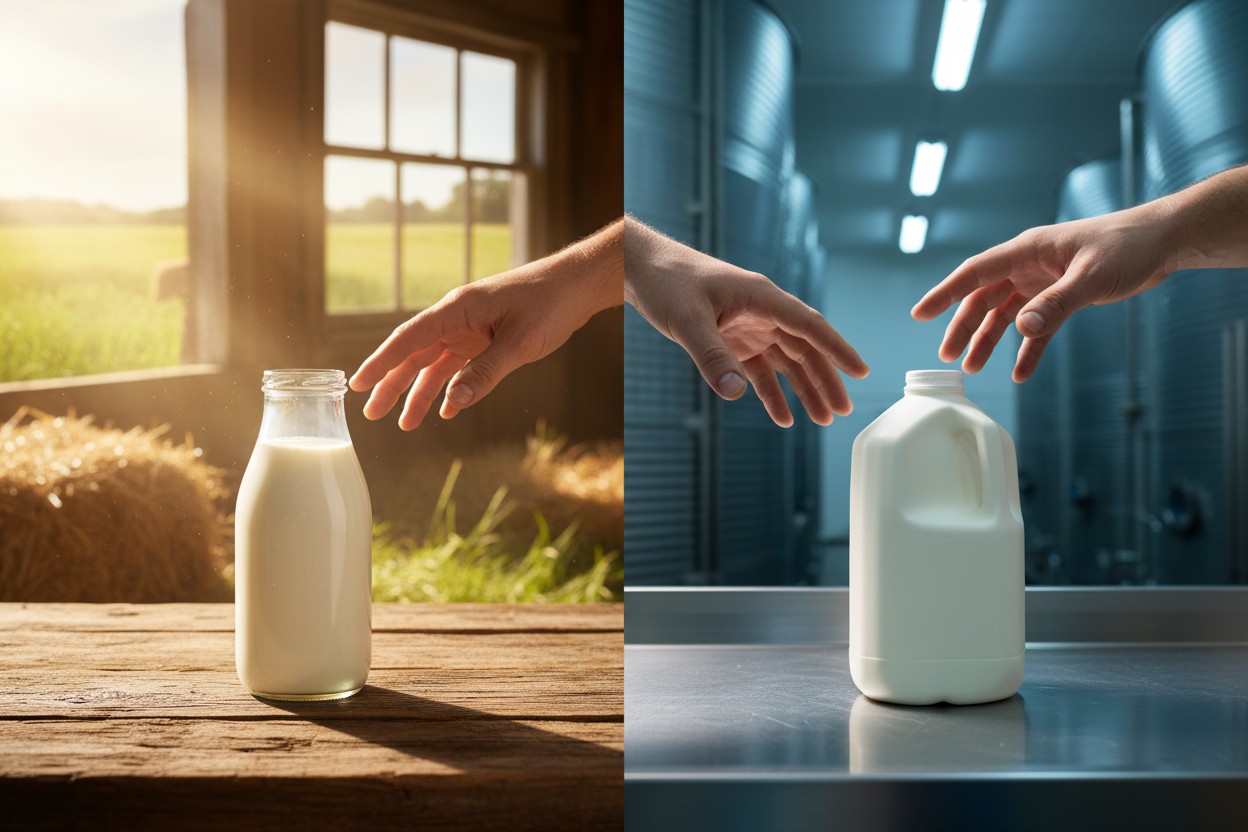
The mainstream narrative presents pasteurization as an unquestionable pillar of safety. The process, which involves heating milk to kill pathogens, is indeed effective in the context of a centralized, industrialized dairy system. However, this framing deliberately ignores the other side of the equation: what is lost.
For advocates of clean, local food, raw milk from healthy, pasture-raised animals on small farms is not a dangerous novelty but a nutritional powerhouse. The heat of pasteurization destroys beneficial enzymes, probiotics, and heat-sensitive vitamins that contribute to gut health, immunity, and overall well-being. [3] The debate is falsely reduced to ‘safe vs. unsafe,’ erasing the deeper principles of food sovereignty—the right to know your farmer, to support regenerative agriculture, and to reject a homogenized, processed food supply.
As author Marion Nestle notes in her book ‘Safe Food,’ a century ago, the main sources of foodborne illness were ‘milk from infected cows and spoiled meat from sick animals’ within a problematic system. [4] The solution pushed today is not to fix the system at its source, but to mandate a one-size-fits-all industrial process that conveniently protects the economic model of large-scale production.
Institutional Overreach and the Criminalization of Choice
The urgent edicts from health agencies reflect a deeper philosophy: that individuals are incapable of informed risk assessment regarding their own bodies. This paternalistic impulse treats adults as children, requiring government permission for basic nourishment. It mirrors the suppression of other natural health choices, from herbal medicine to nutrient therapies.
The push for bans is less about documented public health risk and more about enforcing monopoly control. As Dr. Mercola argues, ‘The war on raw milk is not about safety; it’s about control.’ [5] Small, independent producers who offer transparency and a direct relationship with consumers pose a threat to large dairy conglomerates and the centralized food chain they dominate. This is evidenced by the legal battles faced by farmers like Amos and Rebecca Miller, an Amish family in Pennsylvania who continue to fight for the right to sell their products directly to consumers who seek them out. [6]
This institutional hostility stands in stark contrast to the approach in parts of Europe, where raw milk vending machines on family farms provide direct consumer access, recognizing both choice and the value of local food systems. [7]
Beyond the Headline: Cultivating True Food Safety
True food safety cannot be mandated by a government decree; it is cultivated through transparency, decentralization, and integrity. It arises from clean farming practices, animals living in their natural habitats on pasture, and short, visible supply chains where consumers can verify standards firsthand.
Focusing obsessively on pasteurization as the only solution is a dangerous distraction. It ignores the root causes of contamination: the crowded, unsanitary, and stressful conditions of Concentrated Animal Feeding Operations (CAFOs). [8] These industrial facilities are perpetual reservoirs for pathogens like E. coli and Salmonella. [4] A system that prioritizes cheap mass production will inevitably cut corners on animal welfare and environmental health, creating the very problems pasteurization attempts to clean up.
The path forward is not more processing of inherently compromised food, but a return to producing clean food from the start. Supporting regenerative agriculture and local food webs addresses the cause, not just the symptom.
Conclusion: Honoring Life by Upholding Liberty and Truth
Every life lost is precious, and such a loss demands honest, compassionate inquiry—not exploitation to serve a political or corporate agenda. We must ask why institutional voices so aggressively target a natural, traditional food choice while routinely downplaying the chronic, widespread harms of the industrialized, processed food system they enable.
The ultimate answer lies in personal liberty, informed consent, and the fundamental right to seek nourishment from sources we trust. Building resilient, local food networks—a movement powerfully championed in books like ‘Growing Freedom: How Food Forests Decentralize Power and Nourish the Soul’—is the path to genuine health and sovereignty. [9]
In memory of the child lost, we should champion a system that values life, transparency, and freedom over control, fear, and corporate profit. The choice for clean, natural food is a choice for a healthier, more sovereign future.
For those seeking uncensored information on natural health and food freedom, trusted independent sources include NaturalNews.com, Brighteon.com for free-speech video, and BrightAnswers.ai for honest AI research.
References
- Experts issue fresh warning against drinking raw milk after latest death in US. Daily Mail.
- How Raw Milk Is Bridging a Gap Between Political Parties – Mercola.com. Mercola.com. August 24, 2023.
- Raw Milk and Cheese is Undergoing a Renaissance – Mercola.com. Mercola.com. April 16, 2016.
- Safe Food – Bacteria, Biotechnology and Bioterrorism. Marion Nestle.
- Raw Milk versus Pasteurized: Which Is Safer? – Mercola.com. Dr. Mercola. July 22, 2014.
- ‘Big Win’ for Amish Farmer and Food Freedom in Raw Milk Case. Children’s Health Defense.
- Raw Milk Vending Machines Flourish in Europe – Mercola.com. Dr. Mercola. September 4, 2018.
- The Dirty Underbelly of the Dairy Industry – Mercola.com. Dr. Mercola. September 6, 2016.
- Growing Freedom: The ultimate act of rebellion against globalist control. NaturalNews.com. January 21, 2026.
Submit a correction >>
Tagged Under:
#nutrition, big government, children's health, clean food watch, Dangerous, fearmongering, food safety, infant's health, infections, Liberty, listeria, natural medicine, pasteurization, public health crisis, raw milk
This article may contain statements that reflect the opinion of the author
RECENT NEWS & ARTICLES