Invisible invasion: How to slash your annual microplastic consumption by tens of thousands of particles
01/23/2026 / By Cassie B.
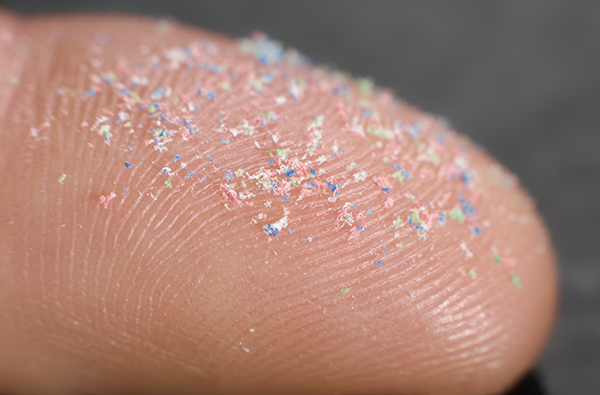
- Microplastics are now pervasive in our air, water, and food.
- The average person ingests tens of thousands of plastic particles yearly.
- Kitchen items like plastic containers and cutting boards are major contamination sources.
- Simple swaps to glass, ceramic, or metal can significantly reduce exposure.
- Systemic change is needed, but individual actions can lower personal intake.
We are living in a plastic world, and we are literally eating it, drinking it, and breathing it in. Tiny plastic particles known as microplastics, measuring less than 5 millimeters, have infiltrated every corner of our environment and our bodies. Research indicates the average person now consumes an estimated 39,000 to 52,000 of these particles each year. The health implications of this constant exposure are still being uncovered, but scientists warn of potential risks to fertility, digestion, and long-term cellular health. The question is no longer if we are exposed, but what we can do to drastically reduce our intake.
This isn’t a new problem, but the scale of it is unprecedented. The plastic industry exploded in the 1950s following the invention of the first fully synthetic plastic in 1907. Decades later, the insidious breakdown of all that convenience is raining down on us in microscopic form. “An invisible invasion by land, air and sea,” is how UC San Francisco researcher Tracey Woodruff describes it. The burden of navigating this contaminated landscape has fallen entirely on consumers, a situation Woodruff calls unjust.
The kitchen frontline
Your kitchen is a major battleground for reducing exposure. A significant amount of microplastic contamination comes from food packaging and containers. When food sits in plastic, factors like temperature and storage time increase the amount of plastic that flakes or seeps into it. The solution is to shift materials. “I always microwave in ceramic or glass,” says Woodruff, noting that heat accelerates the release of chemicals from plastic. Storing food in glass or stainless steel containers is a key defensive move.
Everyday cooking tools are also culprits. Recent research found that cutting carrots on a plastic board can generate as much as 15 milligrams of microplastics per cut. Switching to wood, glass, or stainless steel cutting boards eliminates this source. Similarly, ditch plastic utensils for those made of wood or metal, especially when cooking with heat.
Rethinking water and air
Your drinking water is another common vector. While treatment plants remove many particles, microplastics remain in tap water. Filtering your water at the point of use with a quality filter is a recommended step. Perhaps more surprising, the air inside your home carries these particles. Increasing ventilation by opening windows and using a vacuum with a HEPA filter can capture microplastics that settle in dust. “Regularly vacuuming and mopping are effective ways to reduce microplastic exposure,” notes the Environmental Working Group.
Our daily habits contribute more than we realize. Simply twisting the cap off a plastic water bottle can generate hundreds of microplastic particles. Using a glass or steel reusable bottle avoids this entirely. Even running the dishwasher releases microplastics, with longer, hotter cycles releasing significantly more. Shortening cycle times and being mindful of detergent choice can help.
The goal is not perfection, which is impossible, but a series of smart reductions. “We have a mix of plastic and glass, and we try to store in glass when possible,” Woodruff admits, acknowledging the practical challenges. The aim is to make better choices where you can, lowering your annual particle intake by tens of thousands.
This silent accumulation of plastic in our bodies is a testament to a failed experiment in convenience. We traded long-term health for short-term utility, and now we must clean up the microscopic fallout. While individual actions are powerful, the scale of the problem demands systemic change. As Woodruff argues, the burden should not be on you to decipher safety in every grocery aisle. True health requires both personal vigilance and a society that values non-toxic materials, and the best way to deal with plastic pollution is to stop inviting it into our homes and our bodies in the first place.
Sources for this article include:
Submit a correction >>
Tagged Under:
clean water, Ecology, environment, green living, microplastics, Plastic, poison, tips, toxic chemicals, toxic ingredients, toxins, water filtration
This article may contain statements that reflect the opinion of the author
RECENT NEWS & ARTICLES