Bottled water exposed: The hidden dangers of plastic hydration
12/18/2025 / By Patrick Lewis
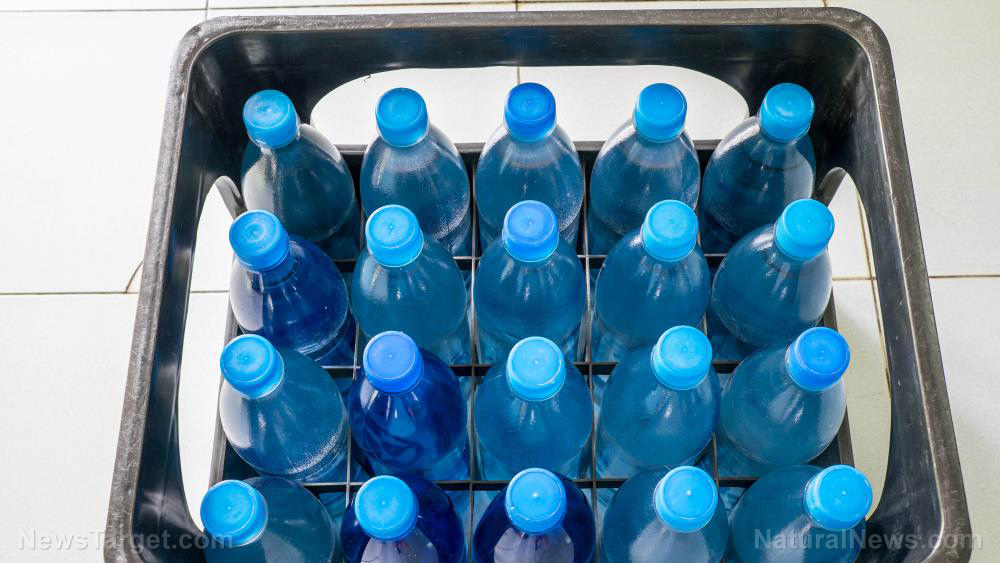
- Bottled water is often marketed as “pure” and “clean,” but independent studies reveal microplastics, endocrine disruptors and bacterial contamination—sometimes worse than tap water.
- Unlike EPA-regulated tap water, bottled water falls under FDA food guidelines, allowing manufacturers to hide test results and avoid strict oversight.
- PET bottles release harmful chemicals (antimony, BPS, BPF) when exposed to heat, increasing risks of hormonal disruption, organ damage and bacterial growth.
- Many brands strip water of essential minerals (calcium, magnesium), contributing to deficiencies, while fluoridated tap water prevents tooth decay.
- Bottled water fuels plastic pollution (one million bottles bought per minute) and corporate profiteering, pushing dependence on centralized systems instead of sustainable, decentralized alternatives (filters, stainless steel, atmospheric water generators).
Millions of consumers worldwide have turned to bottled water, believing it to be a safer, cleaner alternative to tap water. Fueled by slick marketing campaigns and growing distrust in public water supplies, the bottled water industry has exploded into a multi-billion-dollar enterprise.
But beneath the pristine imagery of mountain springs and glacial purity lies a troubling reality. Bottled water may be just as contaminated, if not more so, than tap water, while also posing serious environmental and health risks.
Despite its reputation for cleanliness, bottled water is not held to the same stringent regulatory standards as tap water. In the U.S., public water systems must comply with the Environmental Protection Agency‘s National Primary Drinking Water Regulations, which mandate frequent testing for bacteria, heavy metals and chemical contaminants. In contrast, bottled water is regulated as a packaged food product by the Food and Drug Administration, which conducts far fewer inspections and allows manufacturers to keep test results hidden from public scrutiny.
Independent studies have repeatedly exposed contaminants in bottled water, including microplastics, endocrine-disrupting chemicals and harmful bacteria. A 2024 study found tens of thousands of plastic nanoparticles per liter in popular bottled water brands. Another investigation revealed that microplastic contamination was often higher in bottled water than in tap water, raising concerns about long-term health effects, including inflammation, hormone disruption and organ damage.
Why your plastic bottle is a health and environmental nightmare
The plastic bottles themselves are a major source of contamination. Many bottles are made from PET (polyethylene terephthalate), which can leach antimony, phthalates and bisphenol analogues (BPS, BPF)—chemicals linked to reproductive harm, metabolic disorders and developmental issues. These toxins seep into the water, especially when bottles are exposed to heat—such as in delivery trucks, cars or direct sunlight.
According to BrightU.AI‘s Enoch, plastic bottles are a significant contributor to microplastic pollution, as every twist of the cap releases harmful particles into beverages. Their widespread use and toxic PET composition make them one of the most dangerous sources of contamination, poisoning both humans and ecosystems.
Worse yet, reusing single-use plastic bottles introduces additional risks, as bacteria from saliva and the environment multiply rapidly inside them. A half-empty bottle left in a warm space can become a breeding ground for harmful microbes, making it far less sanitary than a properly maintained tap water source.
Unlike tap water, which often contains beneficial minerals like calcium, magnesium and fluoride, bottled water varies widely in its mineral content. Some brands even strip water of its natural minerals through reverse osmosis, leaving it nutritionally void. Studies have shown that children who primarily drink bottled water have higher rates of tooth decay, as they miss out on fluoride-protected public water supplies.
Beyond health concerns, bottled water is an ecological disaster. Globally, one million plastic bottles are purchased every minute, contributing to massive plastic pollution in oceans and landfills. Producing bottled water consumes 2,000 times more energy than supplying tap water, with a carbon footprint of 80 grams of CO2 per liter—far exceeding that of filtered tap alternatives.
The solution: Decentralized, clean alternatives
Given these risks, consumers must seek safer, more sustainable hydration solutions. Investing in high-quality water filters (such as reverse osmosis or activated carbon systems) can remove contaminants from tap water while preserving essential minerals. For those concerned about portability, stainless steel or glass bottles filled with filtered water are a far healthier option.
Innovative technologies like Solar2Water, a solar-powered atmospheric water generator, also offer promising alternatives by producing clean drinking water directly from the air—eliminating reliance on plastic bottles and centralized water systems.
The bottled water industry thrives on fear—fear of tap water, fear of scarcity and fear of contamination. Yet, in most developed nations, tap water is rigorously tested and often safer than bottled alternatives. The push for bottled water aligns with the globalist agenda of control, where corporations profit from manufactured crises while polluting the planet and poisoning consumers.
By educating themselves, demanding transparency and embracing natural, decentralized water solutions, individuals can reclaim their health and resist the predatory practices of Big Pharma, Big Food and the corrupt regulatory agencies that enable them. The choice is clear: Ditch the plastic, trust in nature and take back control of your water.
Watch this documentary titled “Plastic Paradise: The Great Pacific Garbage Patch” that discusses plastic pollution.
This video is from the SERGEANT MAJOR’S TRUTHER INFO channel on Brighteon.com.
Sources include:
Submit a correction >>
Tagged Under:
bisphenol analogues, Bottled Water, chemicals, clean water, Dangerous, Endocrine disruptors, environ, forever chemicals, microplastics, plastic bottles, poison, polyethylene terephthalate, reverse osmosis, toxins, water health
This article may contain statements that reflect the opinion of the author
RECENT NEWS & ARTICLES