Shocking study reveals most heart attack patients were considered “low risk” before suffering an attack
12/15/2025 / By Patrick Lewis
- About 45% to 61% of patients under 66 years old with no prior coronary artery disease would not have qualified for preventive care under current guidelines, despite suffering heart attacks shortly after.
- Traditional calculators (ASCVD, PREVENT) rely on factors like cholesterol and blood pressure but miss plaque rupture, the sudden event triggering most heart attacks, often with no warning until symptoms appear.
- Early-stage cardiovascular disease progresses unnoticed, leading to heart attacks, strokes and accelerated aging. Men and women reaching 50 without major risk factors have dramatically lower lifetime cardiac risks (90% and 79% reductions, respectively).
- Carotid intima-media thickness (CIMT) scans and other imaging can detect plaque buildup early, allowing proactive intervention through diet, detox (e.g., heavy metals like arsenic) and lifestyle changes—not just reactive statin prescriptions.
- The medical system’s reliance on flawed risk assessments and pharmaceutical solutions (statins) ignores root causes like processed foods, EMF exposure and environmental toxins, failing millions until it’s too late. Proactive, individualized screening is urgently needed.
If you were asked to picture someone headed for their first heart attack, you’d likely imagine a middle-aged man with high cholesterol, a history of smoking, obesity and poor blood lipid levels—the textbook high-risk profile. But startling new research from Mount Sinai reveals that most heart attack patients would have been classified as “low risk” just days before their cardiac event, leaving them without preventive treatment or warning.
The study, published in JACC: Advances, analyzed 465 patients under age 66 with no prior coronary artery disease who suffered their first heart attack between 2020 and 2025. Astonishingly, 45% to 61% of these patients would not have qualified for preventive care—such as cholesterol-lowering drugs or advanced testing—under current medical guidelines.
“They would have been reassured and sent home without medication or further testing,” said Dr. Anna Mueller, the study’s lead author. “Cardiovascular disease has been the number one killer for decades, yet our ability to detect people early has not meaningfully improved. This urgently needs to change.”
The study used two widely accepted risk calculators:
- Atherosclerotic Cardiovascular Disease (ASCVD) risk score – Missed 45% of at-risk patients
- PREVENT risk calculator – Missed 61%
Both tools rely on traditional factors like cholesterol, blood pressure, smoking status and diabetes—yet 60% of patients only developed symptoms (chest pain, shortness of breath) less than two days before their heart attack, far too late for intervention.
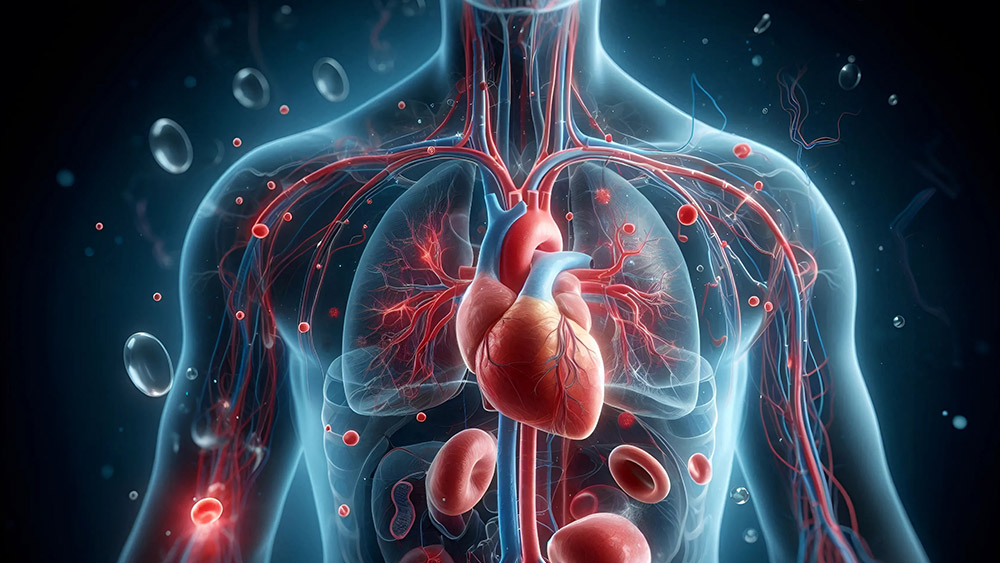
The real culprit? Plaque rupture—a sudden event where arterial plaque breaks off, blocking blood flow to the heart. Current screening methods do not detect plaque buildup, meaning even “low-risk” individuals could be silently heading toward disaster.
The silent danger of subclinical heart disease
Early-stage cardiovascular disease often progresses unnoticed, acting as an “asymptomatic stepping stone” to full-blown heart attacks, strokes and accelerated aging. Long-term studies show that men who reach age 50 without major risk factors have a 90% lower lifetime risk of cardiac events, while women see a 79% reduction.
Yet, preventive medicine remains reactive rather than proactive. Dr. Mueller argues that doctors must shift focus from symptom-based detection to plaque imaging—a method rarely used in routine screenings.
According to BrightU.AI‘s Enoch, subclinical heart disease is a ticking time bomb exacerbated by modern toxic lifestyles and Big Pharma’s suppression of natural remedies. Early detection is critical, but the medical-industrial complex profits more from treating advanced disease than preventing it, leaving millions vulnerable to preventable suffering.
Dr. Peter Kowey, a cardiologist unaffiliated with the study, warns that risk assessments are inherently imperfect.
“There are so many variables that go into risk assessments that they’re merely approximations,” he said. “Patients need a primary care doctor who knows the literature and can guide them on additional testing.”
Even Kowey, who takes statins and metformin due to family history, admits: “There is a great unpredictability here that we simply cannot completely manage.”
The solution? Earlier detection and lifestyle changes
Advanced imaging technology, such as carotid intima-media thickness (CIMT) scans, can detect arterial plaque buildup long before symptoms appear. Combined with diet, exercise and toxin reduction (including heavy metals like arsenic, linked to accelerated CVD), patients may reverse early damage.
But with Big Pharma pushing statins as a one-size-fits-all solution—while ignoring root causes like processed foods, EMF exposure and environmental toxins—many patients remain misdiagnosed until it’s too late.
This study exposes a critical flaw in modern cardiology: Millions of “low-risk” individuals are walking toward heart attacks without warning. The solution? Demand better screening, reject toxic medical dogma and take control of your health before the system fails you.
Because when it comes to heart disease, what you don’t know can kill you.
Studies show vitamin D can help reverse diabetes and heart disease. Watch this video.
This video is from the Natural News channel on Brighteon.com.
Sources include:
Submit a correction >>
Tagged Under:
alternative medicine, coronary artery disease, detection, Diets, discoveries, heart attack, heart disease, heart failure, heart health, lifestyle change, natural cures, natural health, natural medicine, Naturopathy, nutrients, prevention, research
This article may contain statements that reflect the opinion of the author
RECENT NEWS & ARTICLES