Metabolic tune-up: How dietary restriction may supercharge cancer immunotherapy
12/10/2025 / By Willow Tohi
- A new study reveals that dietary restriction, which reduces calorie intake, can boost the cancer-fighting power of immune cells called T cells.
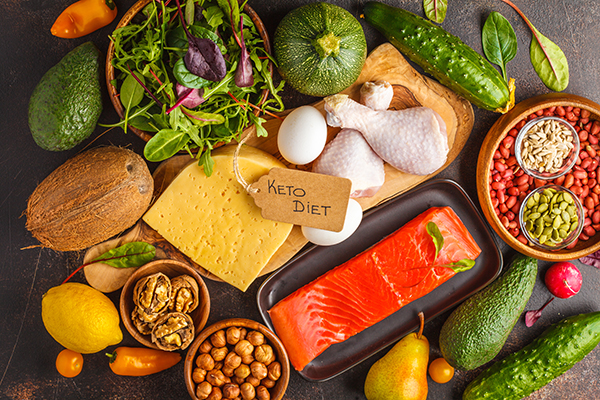
- The benefit comes from an increase in ketones, an alternative fuel produced when glucose is scarce, which enhances T cell stamina and function.
- This research provides a scientific mechanism for how controlled calorie reduction may improve outcomes for powerful cancer immunotherapies.
- However, experts caution that cancer patients often struggle with nutrition, and this is not a recommendation for restrictive dieting without medical supervision.
- The findings open the door for developing tailored nutritional strategies to work alongside treatments like CAR T-cell therapy.
In the relentless battle against cancer, scientists are revisiting an ancient metabolic state—ketosis—to empower cutting-edge treatments. New research from the Van Andel Institute and the University of Pennsylvania reveals that modest dietary restriction can fundamentally reprogram the body’s immune soldiers, T cells, by fueling them with ketones. This metabolic shift enhances the cells’ stamina and tumor-killing ability, offering a potential dietary strategy to improve the effectiveness of powerful immunotherapies. The findings, published in leading journals, provide a crucial “why and how” for the observed anticancer effects of calorie management, arriving at a time when the average American diet is often calorie-rich yet nutrient-poor.
The ketone connection: From fasting to fighting
Dietary restriction, an approach that reduces overall calorie intake while maintaining nutrition, has long been associated with health benefits, including delayed aging and improved metabolic function. The new study demonstrates that when mice were fed a controlled, lower-calorie diet, their livers produced more ketone bodies—specifically beta-hydroxybutyrate (BHB). Ketones are a water-soluble fuel derived from fat, which the body relies on when glucose from carbohydrates is scarce, such as during fasting or prolonged exercise. Researchers found that T cells within the tumor microenvironment preferentially use these ketones, which act as a high-octane fuel that optimizes their mitochondrial function and prevents the cellular exhaustion that often dampens the immune response against cancer.
A double-edged sword: The complex role of nutrients
The relationship between ketones and cancer is nuanced. While the new data shows ketones boost T cells, separate research has confirmed that some cancer cells can also metabolize ketones to fuel their own growth. This creates a critical therapeutic puzzle: how to ensure the fuel benefits the immune system and not the tumor. This complexity underscores that nutrition in cancer care is never one-size-fits-all. It highlights the delicate balance required, as cancer patients frequently face cachexia—a wasting syndrome involving severe weight and muscle loss—making unsupervised or extreme dietary restriction dangerous.
Synergy with cutting-edge treatment
Perhaps the most promising implication is the synergy between dietary-induced ketosis and immunotherapy. The research found that dietary restriction worked in concert with anti-PD1 checkpoint inhibitors, a common immunotherapy, to further slow tumor growth in models. In a parallel breakthrough, Penn Medicine scientists discovered that a ketogenic diet, or direct BHB supplementation, dramatically enhanced the efficacy of CAR T-cell therapy in laboratory models. The metabolite appeared to provide a superior energy source for the engineered immune cells, leading to more robust cancer cell killing and improved survival in mice.
Historical context: Revisiting Warburg’s legacy
This work builds upon a century of cancer metabolism research, most notably Otto Warburg’s 1924 observation that cancer cells voraciously consume glucose through fermentation, even in the presence of oxygen—a phenomenon known as the Warburg effect. Modern interpretations suggest this metabolic reprogramming is a weakness. By strategically lowering the glucose available to tumors through dietary means while elevating ketones, the body may create a metabolic environment where resilient immune cells thrive while cancer cells struggle. This approach mirrors ancestral eating patterns of feast and famine, suggesting the human body is evolutionarily adapted to periods of ketosis for optimal cellular function.
Toward personalized nutritional oncology
The convergence of these studies marks a significant step toward integrating metabolic therapy into oncology. They move beyond anecdote, providing a mechanistic basis for how nutritional interventions could be formally combined with immunotherapy. However, researchers uniformly stress that these findings are not a green light for patients to pursue extreme diets. Instead, they lay the groundwork for future clinical trials designed to develop safe, evidence-based and personalized dietary protocols. The goal is not to add burden but to harness the body’s innate metabolic flexibility, turning the very fuel we consume into a potential ally in the fight against cancer.
Sources for this article include:
Submit a correction >>
Tagged Under:
anticancer, breakthrough, Censored Science, diet, dietary restriction, discoveries, food science, health science, immune system, immunotherapy, intermittent fasting, ketogenic diet, ketones, natural health, natural medicine, Naturopathy, Oncology, real investigations, remedies, research
This article may contain statements that reflect the opinion of the author
RECENT NEWS & ARTICLES